Trendsmill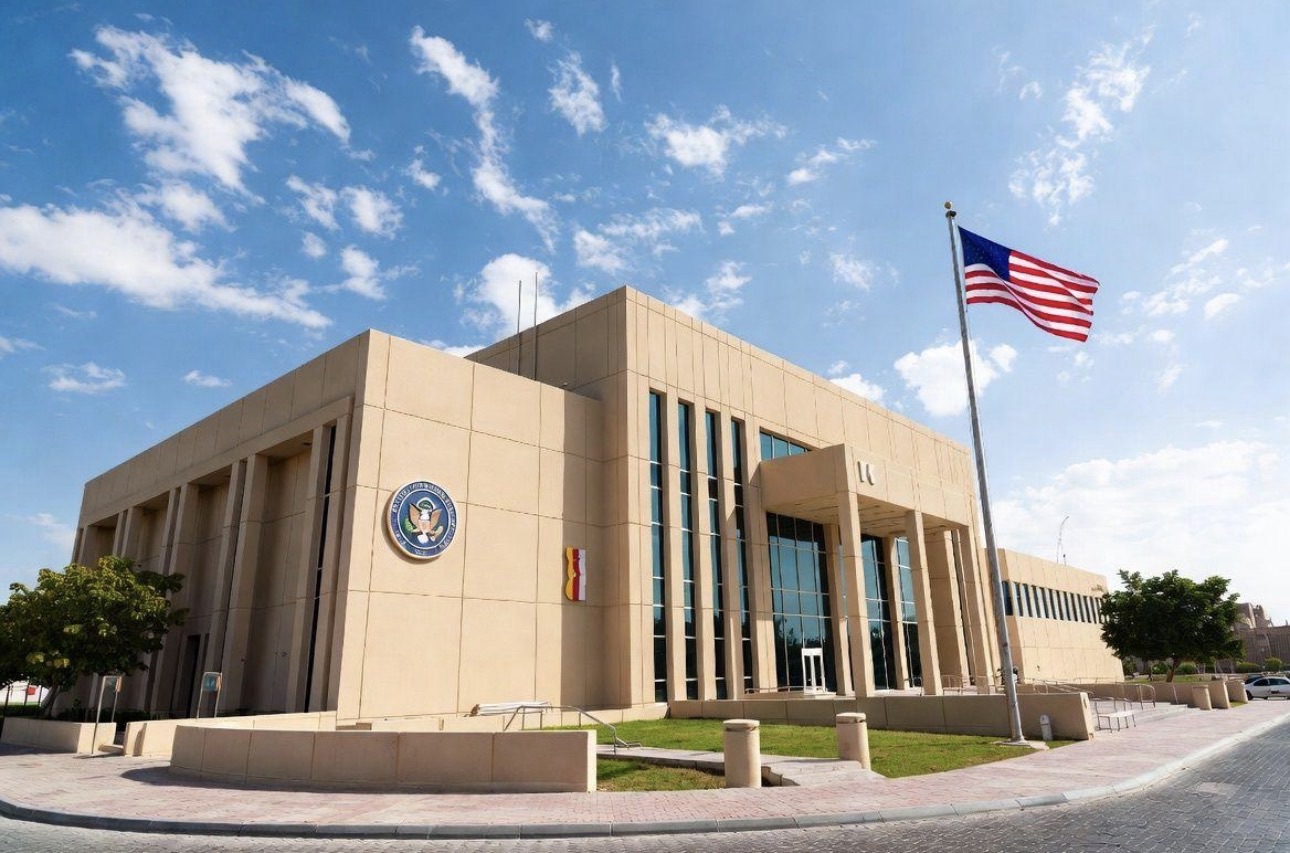
Washington is preparing to restore a larger diplomatic presence in the Middle East after the evacuation of U.S. personnel during the war with Iran.
The U.S. State Department is preparing to send Foreign Service officers back to embassies that were evacuated before and during the conflict, Reuters reported on Tuesday, citing a New York Times report based on an internal State Department document.
Some diplomats could return as soon as this week.
The department is also considering reducing emergency protocols that were introduced when the security situation deteriorated.
A major adjustment in U.S. policy
The planned redeployment represents a significant adjustment to the emergency diplomatic posture adopted during the conflict.
American diplomats were withdrawn from several locations as the risk of Iranian retaliation increased.
In March, Washington ordered non-emergency government personnel and their families to leave a number of Middle Eastern countries, including Qatar, Kuwait, Bahrain, the UAE, Iraq and Jordan. Several diplomatic missions were also closed or reduced their operations.
The measures were intended to reduce the risk to American personnel during a period when Iranian attacks were targeting U.S. interests in the region.
Why the return matters
The restoration of diplomatic staffing would give Washington greater ability to engage directly with governments across the Middle East.
Diplomats are responsible for maintaining political contacts, supporting U.S. citizens, coordinating with host governments and assessing developments that could affect American interests.
Their presence can also be important during periods of political transition or negotiations.
The return could therefore allow the United States to move from an emergency wartime posture towards a more conventional diplomatic strategy.
Conflict still shaping policy
The decision comes while the United States continues to pressure Iran.
The Trump administration announced another round of sanctions against Iranian-linked individuals, companies and vessels on Tuesday.
Washington has also warned countries doing business with Iran that they could face secondary sanctions.
Iran has responded with threats of retaliation, keeping tensions between the two governments high.
The continued confrontation means that the U.S. diplomatic return is likely to remain closely tied to security assessments.
Middle East remains unpredictable
Even if diplomats return to their posts, the security situation across the region remains fluid.
The war with Iran affected multiple countries and exposed the vulnerability of U.S. personnel and facilities throughout the region.
Washington must therefore balance the need for a strong diplomatic presence with the requirement to protect its personnel.
The planned reduction of emergency protocols suggests that officials believe some of the immediate risks have eased.
But the continued use of security measures is likely to remain part of normal embassy operations.
What comes next
The first stage of the process is expected to involve the return of selected Foreign Service officers rather than an immediate restoration of full staffing.
The State Department will likely monitor developments before deciding whether to bring back additional personnel.
If the security situation remains stable, more diplomats could eventually return and embassies could resume broader operations.
The process will also provide an indication of how Washington views the post-war environment.
A sustained return would suggest growing confidence in the security situation.
A pause or renewed evacuation, by contrast, could signal that tensions remain too high.
For now, the United States is preparing to take the first steps towards restoring its diplomatic footprint in a region that remains strategically important but deeply unsettled.