 Trendsmill
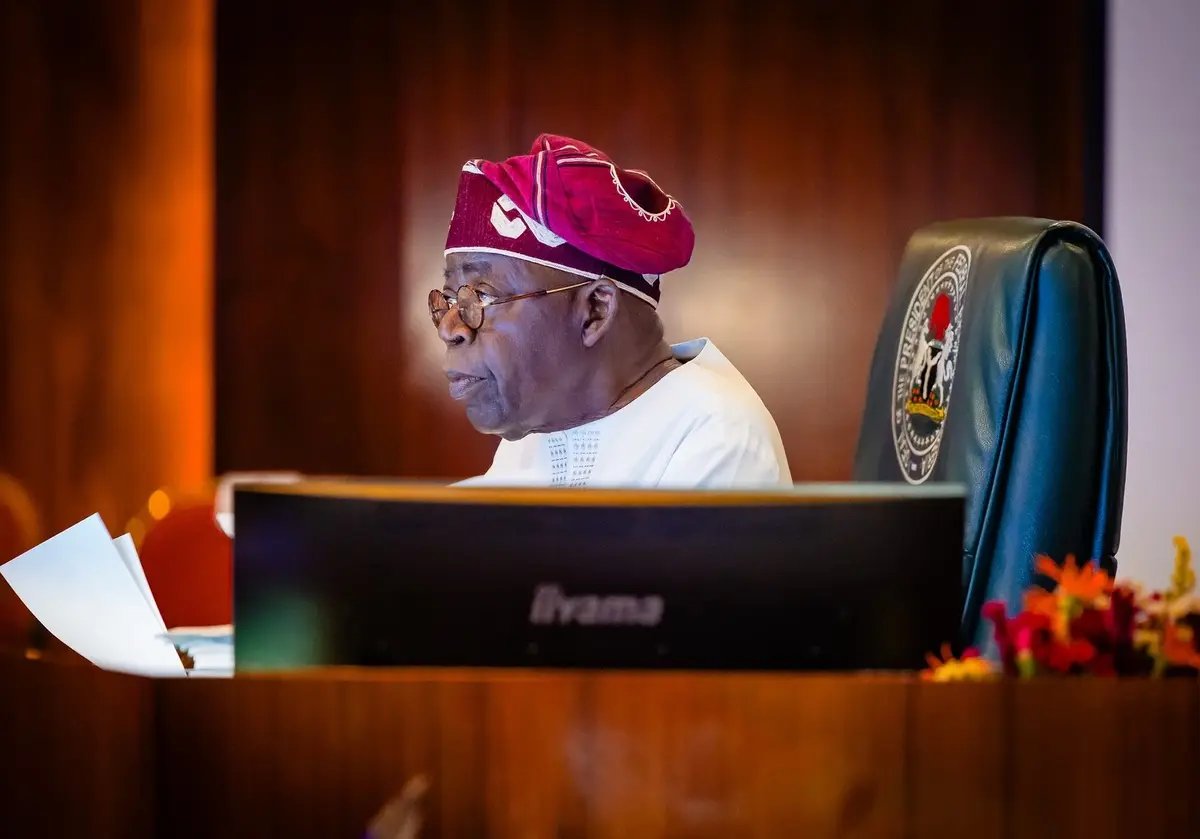
President Bola Ahmed Tinubu has backed the development of the $3.5 billion Bakassi Deep Seaport in Cross River State, describing it as a major investment expected to expand Nigeria’s maritime capacity, strengthen regional trade and attract foreign investment.
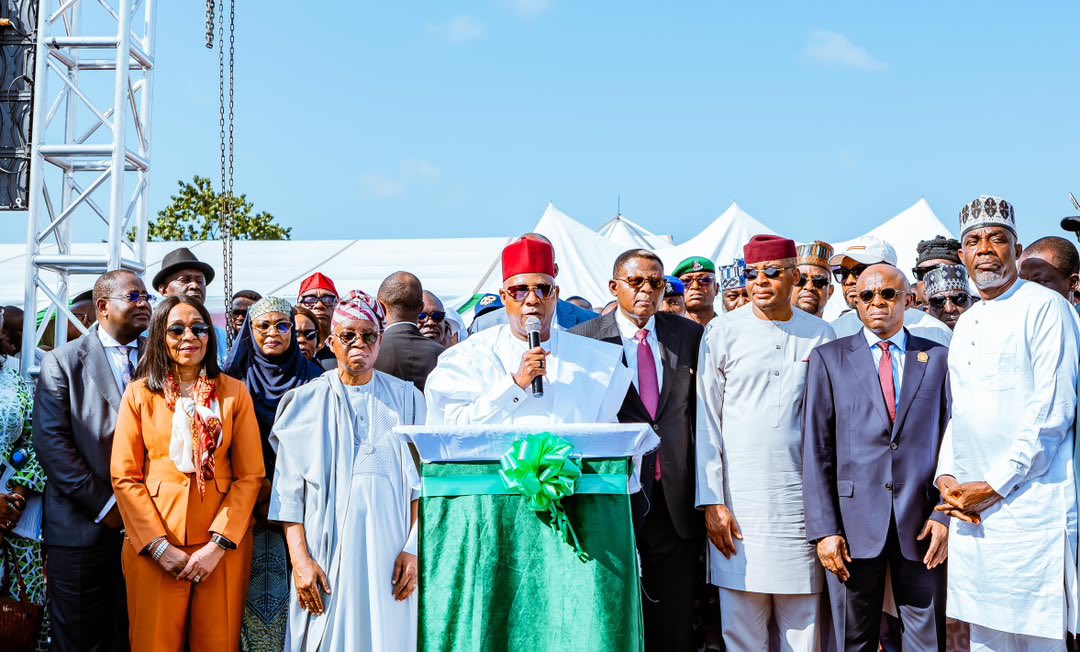
The President formally flagged off construction of the project on Friday in Bakassi, with Vice-President Kashim Shettima representing him at the groundbreaking ceremony.
Tinubu said the long-awaited seaport would reposition Cross River State as an important maritime and commercial hub while improving Nigeria’s competitiveness in international shipping and logistics.
He explained that the project was not designed to compete with Lagos ports but to complement existing facilities by providing additional capacity, easing congestion and creating alternative access to international shipping routes.
The President noted that more than 80 per cent of Nigeria’s foreign trade currently passes through Lagos, highlighting the need to develop additional maritime gateways to support the country’s expanding economic activities.
He added that the Bakassi project would help Nigeria attract cargo traffic currently handled by neighbouring countries and strengthen its position in regional commerce.
The Managing Director of the Nigerian Ports Authority (NPA), Abubakar Dantsoho, said the proposed facility was designed to accommodate ultra-large container vessels, positioning Nigeria to handle bigger volumes of international cargo.
Dantsoho disclosed that the project would operate under a public-private partnership arrangement, with a $3.5 billion financing facility from the African Export-Import Bank (Afreximbank).
He also revealed that the seaport would be supported by a proposed 275-kilometre, six-lane Calabar-Ogoja-Gakem superhighway to facilitate cargo evacuation and improve connectivity with other parts of Nigeria and neighbouring landlocked countries, including Chad, Niger, Mali and Burkina Faso.
Cross River State Governor, Bassey Otu, described the groundbreaking as a significant milestone following years of administrative, political, legal and environmental challenges.
Otu said the project would create opportunities across shipping, logistics, manufacturing, fishing, tourism and other maritime-related sectors, while generating employment and stimulating economic activities in the state.
The Bakassi Deep Seaport, originally conceived decades ago and re-engineered in 2014, is expected to strengthen Nigeria’s maritime infrastructure, expand access to international markets and improve the country’s participation in trade across the Gulf of Guinea.