 Trendsmill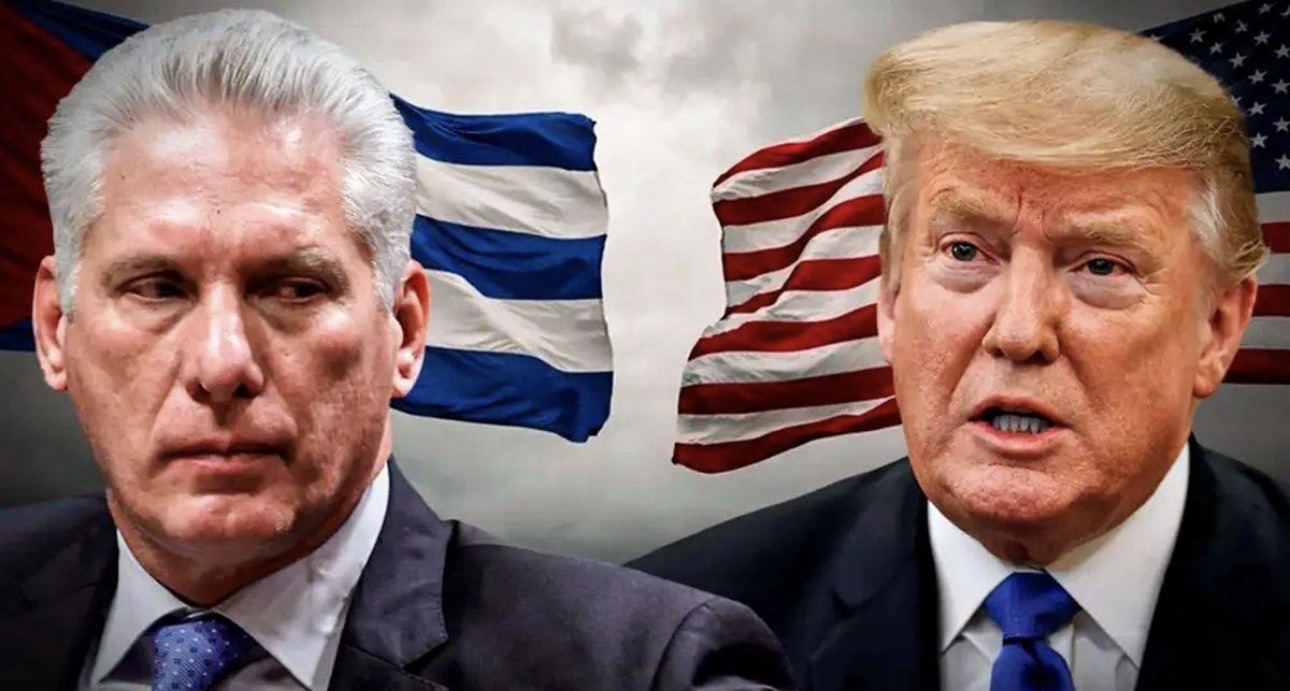
The diplomatic relationship between Cuba and the United States is facing another setback after Havana said talks with Washington have stalled amid President Donald Trump’s intensified sanctions campaign.
The two countries had opened a channel for dialogue earlier this year, but the diplomatic effort has struggled to gain momentum as Washington has expanded economic pressure on Cuba.
President Miguel Díaz-Canel announced in March that his government had begun talks with US officials to address bilateral differences. At the time, Cuba was experiencing severe shortages of fuel and a worsening electricity crisis.
The Trump administration subsequently broadened its sanctions regime.
In May, Trump signed an executive order expanding sanctions against the Cuban government and affiliated entities, further increasing pressure on Havana.
The measures have come as Cuba struggles with an economy already under significant strain.
The island has faced fuel shortages, prolonged electricity outages and difficulties maintaining essential services. The worsening crisis has also affected businesses and humanitarian operations.
The latest diplomatic freeze raises questions about the future of the relationship.
The United States has spent months increasing economic pressure in an attempt to force changes from the Cuban government.
Cuba has rejected Washington’s approach and has continued to oppose the sanctions.
The result is a widening gap between the two governments at precisely the moment when Cuba’s economic problems could make dialogue more important.
A return to negotiations would require both sides to find a way to address immediate economic concerns without resolving their much deeper political differences.
Until that happens, the combination of sanctions and stalled talks risks pushing US-Cuba relations into another prolonged period of confrontation.