 Trendsmill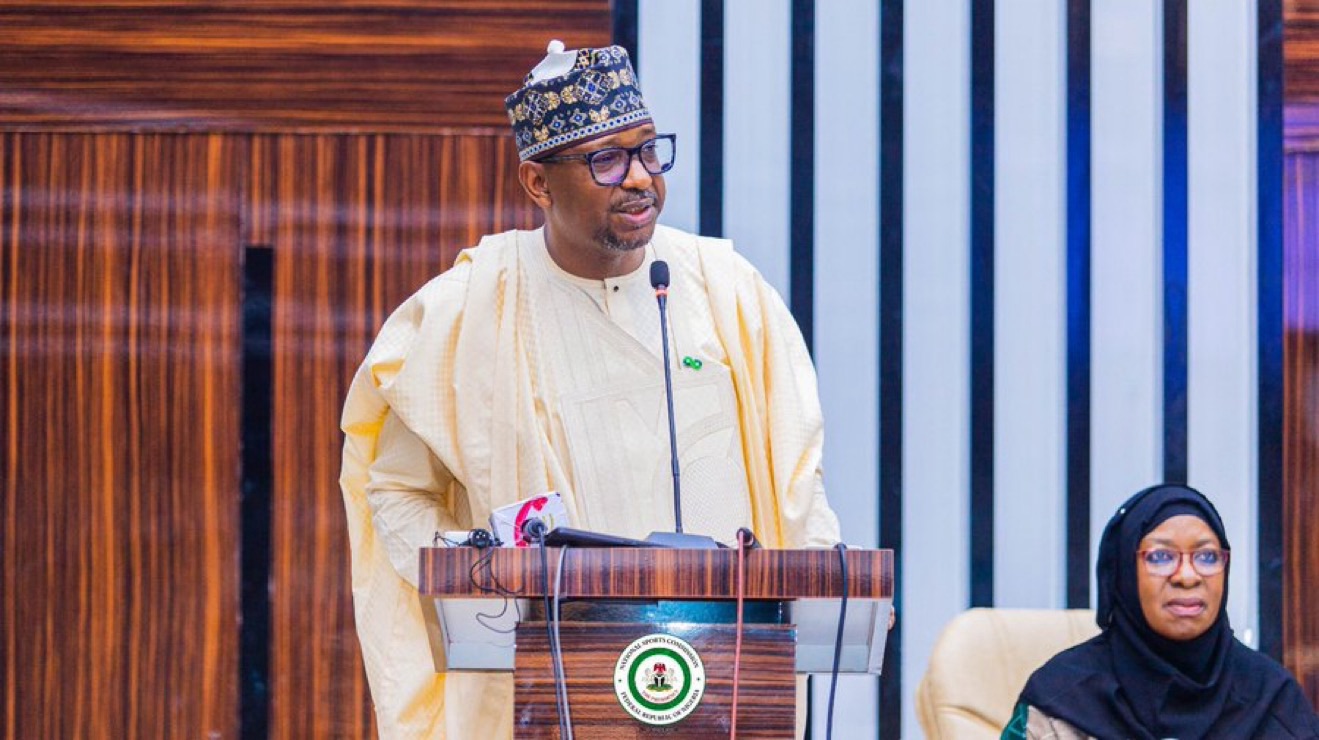
National Sports Commission Chairman Shehu Dikko has called for a new direction in Nigerian football following the resignation of the Nigeria Football Federation leadership.
Dikko made the call while receiving members of the NFF Congress in Abuja after former NFF president Ibrahim Musa Gusau and members of his Executive Committee resigned.
The NSC chairman said the circumstances surrounding the leadership transition should provide an opportunity to examine the way football is administered in Nigeria.
“The time has come for a new look in how we run football in the country,” he said.
Dikko said football occupies a unique position in Nigerian society because of the large number of people who follow and emotionally invest in the national teams.
He said problems affecting the sport therefore require attention rather than being ignored.
The NSC chairman also called for greater accountability from sports administrators.
According to him, running sports in Nigeria is a privilege and people entrusted with leadership positions must take responsibility and perform their roles effectively.
The push for reform follows a difficult period for Nigeria’s national teams.
The Super Eagles failed to qualify for the 2026 FIFA World Cup, while the Super Falcons failed to qualify for the 2027 Women’s World Cup.
The setbacks were followed by increased pressure on the NFF leadership and calls for fundamental changes to Nigerian football administration.
President Bola Tinubu subsequently directed a comprehensive reform process.
The areas identified for attention include governance, administration, stakeholder representation, development pathways, domestic competitions and accountability.
Dikko has been placed at the centre of the reform process.
He said the country should avoid simply replacing officials while maintaining the same structures.
Instead, he argued that Nigerian football needs its underlying system repaired to enable the sport to develop.
The NFF Congress has backed the reform initiative and said the current crisis should be used to bring stakeholders together to build a stronger football system.
The reform process is now expected to shape the next phase of Nigerian football administration as stakeholders work towards a new structure.