 Trendsmill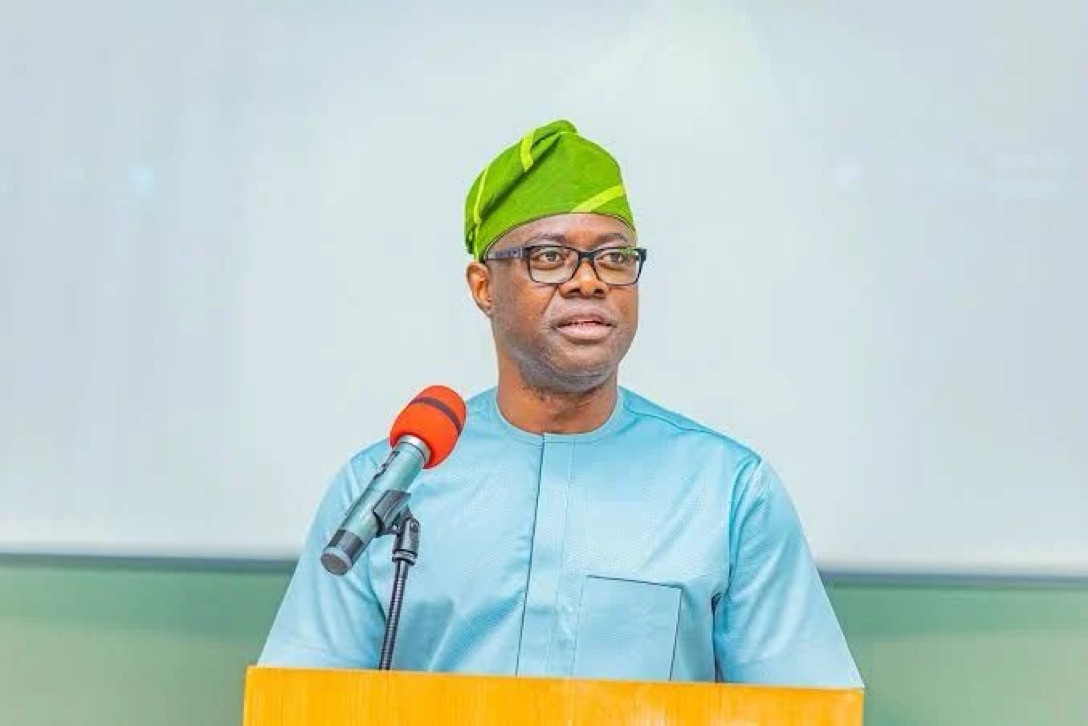
Governor Seyi Makinde’s aspiration to become president in 2027 has come under scrutiny after his kinsmen denied claims that they had endorsed him as their preferred candidate.
The development has complicated the political narrative surrounding the governor’s attempt to build support for his presidential campaign.
Makinde is seeking to leverage his experience in Oyo State and his national political relationships to compete for the presidency.
His emergence as a presidential candidate has placed him among politicians attempting to shape the opposition landscape ahead of the next general election.
An endorsement from his kinsmen would have provided an important grassroots component to that campaign.
Instead, the denial has raised questions about the extent to which the governor can count on the support of groups within his immediate political environment.
That question matters because presidential campaigns are built through layers of support.
Candidates need the backing of political parties, influential leaders, community groups, grassroots organisers and voters. No single endorsement determines an election, but a pattern of support can influence the perception of a candidate’s viability.
Makinde’s political strength in Oyo is well established, but his presidential ambition requires him to demonstrate that his appeal extends beyond the state.
His supporters have promoted his experience in government as one of the reasons he should be considered for the presidency. They have also highlighted his political relationships and his ability to operate across party lines.
Those attributes could become important in an election where coalition-building is expected to play a major role.
However, building a coalition requires sustained negotiations and credible commitments.
The endorsement dispute is therefore a reminder that the governor’s campaign will be judged not only by public declarations but also by the structures supporting his candidacy.
As the political season develops, Makinde is likely to face greater competition from candidates with established national networks.
His response will be important.
The governor can use the period ahead to strengthen his grassroots organisation, deepen relationships outside Oyo and present a clearer national programme.
Such steps would help ensure that his presidential campaign is assessed on substantive issues rather than individual controversies.
The denial by his kinsmen may create temporary political difficulties, but the ultimate measure of Makinde’s ambition will be his ability to assemble a viable national coalition.
The 2027 election remains open to political realignments, and the strength of each candidate will become clearer as parties and political groups settle their alliances.