
 Oluwatosin Haruna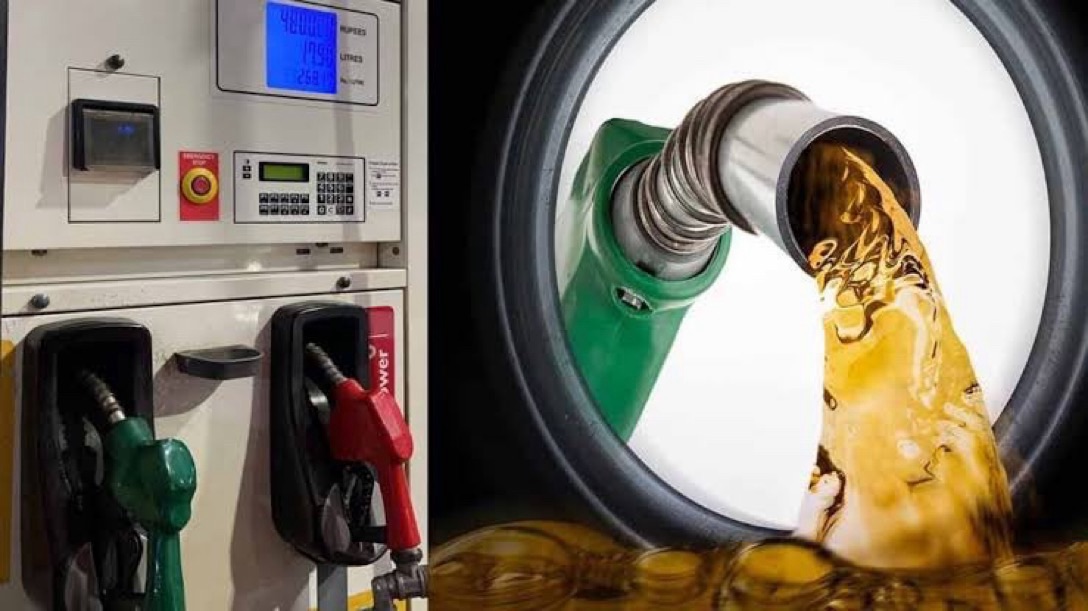
Petrol prices in Abuja are edging towards the N1,500-per-litre mark after Dangote Petroleum Refinery increased its petrol gantry price, adding fresh pressure to a market already facing higher crude oil and logistics costs.
The development could further raise transportation and operating expenses for motorists, businesses and households across the Federal Capital Territory, with industry estimates putting possible pump prices between N1,400 and N1,500 per litre at some filling stations.
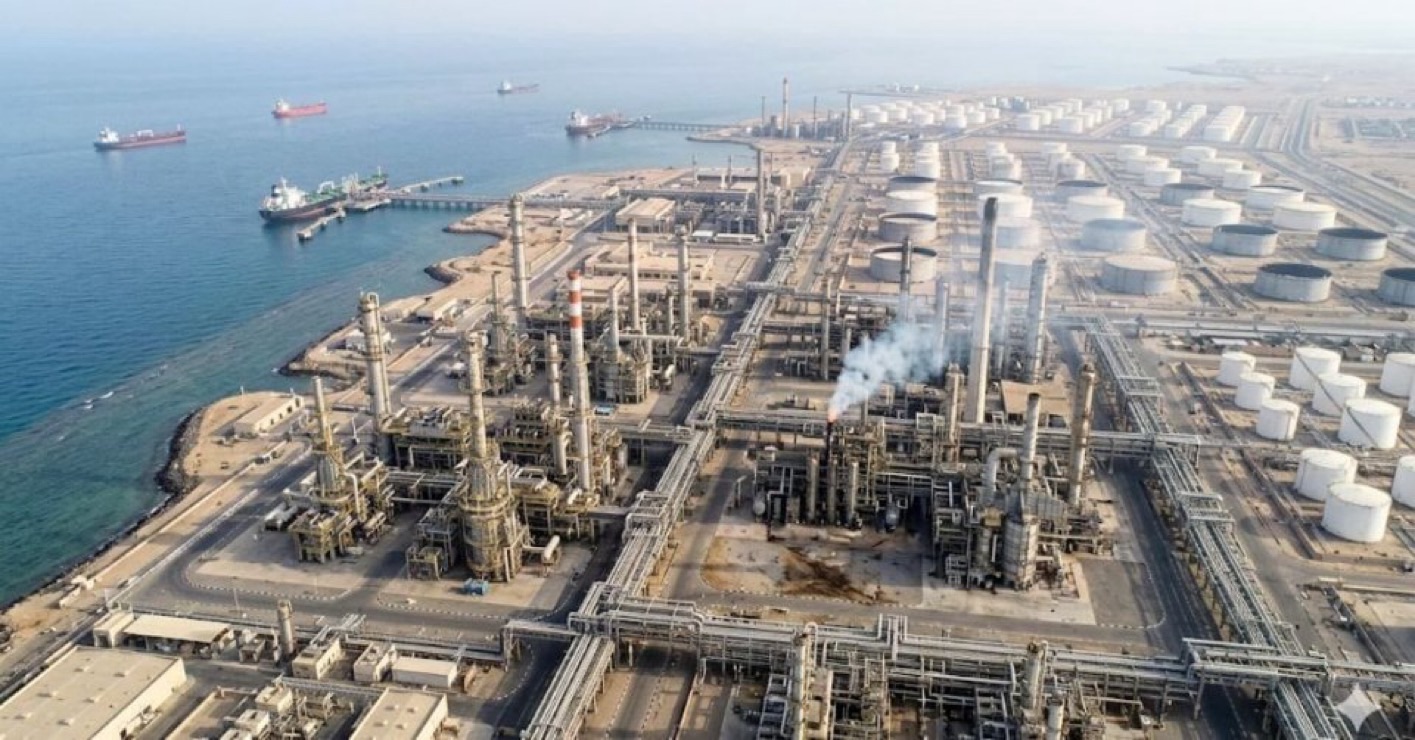
Dangote Petroleum Refinery raised its petrol gantry price from N1,265 to N1,350 per litre, effective September 12, 2026. The adjustment means marketers sourcing petrol from the refinery now face a higher acquisition cost before adding transportation, storage, station operations and other expenses.
The impact is expected to be more pronounced in Abuja because of the city’s distance from major coastal supply centres. Petrol transported over long distances attracts additional trucking and logistics costs, which are eventually reflected in the price paid by consumers.
Recent movements in the international oil market have also added pressure to domestic fuel pricing. Industry data cited in recent reports showed the seven-day average Brent crude price at about $98.74 per barrel, while Bonny Light was quoted around $104.65 per barrel.
Exchange-rate movements and distribution expenses remain other important factors in the downstream market. Industry estimates have cited a seven-day average exchange rate of about N1,323.12 to the dollar, further influencing the cost structure faced by operators.
Analysts and industry stakeholders have consequently projected that petrol could sell for between N1,400 and N1,500 per litre in Abuja, depending on the source of supply, transportation expenses and the margins applied by individual marketers.
Some filling stations could charge above N1,500 if their operating and distribution costs are significantly higher. Pump prices are not uniform across the capital because marketers operate under different supply arrangements and cost structures.
The development could have wider economic consequences. Higher petrol prices typically translate into increased transportation costs, while businesses that rely on petrol-powered vehicles and generators may also face higher operating expenses.
Transport operators could adjust fares to reflect increased fuel costs, while distributors and small businesses may pass part of their additional expenses to consumers through higher prices for goods and services.
The pressure is not limited to Abuja. Northern cities such as Kano, Kaduna and Jos could also experience elevated petrol prices because of longer supply routes and additional transportation costs.
Nigeria’s growing domestic refining capacity has reduced some dependence on imported petroleum products, but domestic fuel prices remain exposed to international crude oil prices and other market factors.
The latest Dangote refinery price adjustment therefore comes at a sensitive point for consumers already dealing with rising living and operating costs.
Any further increase in crude oil prices, freight charges, trucking expenses or other distribution costs could push Abuja petrol prices closer to, or beyond, the N1,500-per-litre threshold.
The actual price motorists pay will ultimately depend on supply costs, logistics expenses and individual marketers’ pricing decisions. Consumers and businesses across Abuja are now watching the market closely as the latest refinery price adjustment works its way through the distribution chain.


 Trendsmill