 Trendsmill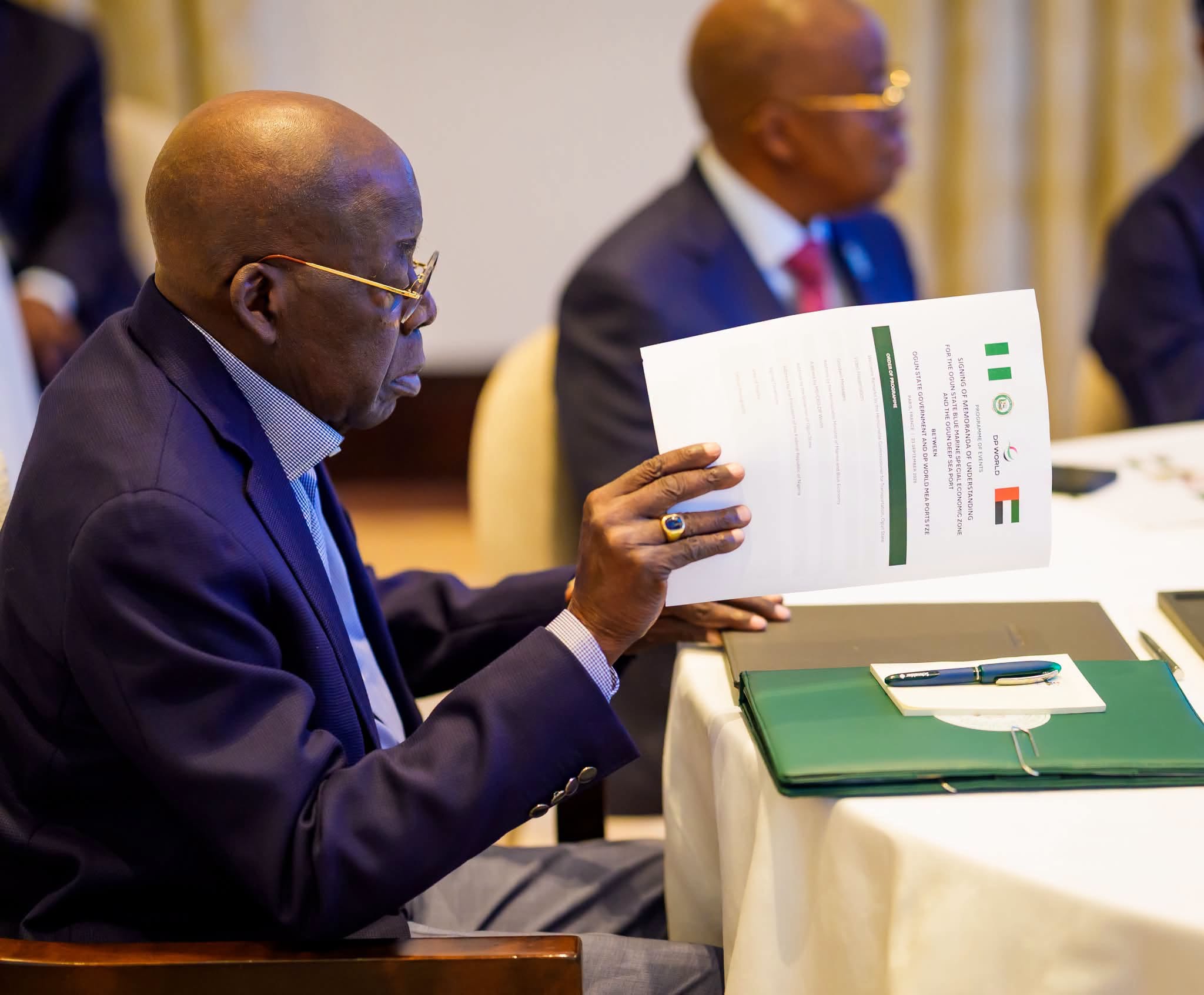
The Presidency is defending President Bola Tinubu’s prolonged stay in Europe as questions grow over his delayed return, his absence from the 81st United Nations General Assembly and the constitutional implications of an extended presidential absence.
Tinubu left Nigeria on August 30 for London, where he began what the Presidency described as a three-week annual vacation.
The trip was later extended.
On September 21, the Presidency announced that Tinubu would spend several additional days abroad and return to Nigeria at the weekend. He did not return on that schedule.
By September 28, the Presidency said the President would return during the week, while officials continued to insist that he had remained engaged with the affairs of government.
The extended stay has become politically significant because it coincided with the 81st United Nations General Assembly in New York.
Tinubu did not attend the gathering personally.
Vice President Kashim Shettima travelled to New York on September 20 to lead Nigeria’s delegation and delivered the country’s national statement during the high-level General Debate.
The Presidency has maintained that Nigeria was adequately represented and that Tinubu’s absence from New York did not prevent the country from advancing its interests at the international gathering.
Bayo Onanuga, the President’s Special Adviser on Information and Strategy, has been central to the government’s response to the criticism.
Onanuga said Tinubu was “hale and hearty” and continued performing his official duties from Europe.
He argued that the President did not need to be physically present in Abuja to discharge his responsibilities, pointing to modern communications technology and the official engagements conducted during the trip.
The Presidency has cited several presidential decisions made during the absence.
One was Tinubu’s directive for an independent investigation into the deaths of 37 suspected illegal miners following their detention by the Nigeria Security and Civil Defence Corps in Minna, Niger State.
The government has presented the directive as evidence that the President continued to exercise executive authority while abroad.
Tinubu’s European itinerary has also included diplomatic and investment engagements.
After London, he travelled to Paris, where he met French President Emmanuel Macron and businessman Vincent Bolloré.
The Presidency has linked the Paris meetings to efforts to deepen Nigeria-France relations and attract investment into sectors including the creative and digital economy.
The administration has also highlighted agreements involving the Ogun State Government and DP World concerning the proposed Gateway Deep Seaport and Ogun State Blue Marine Special Economic Zone.
Those engagements form part of the government’s argument that Tinubu’s trip was not simply a private holiday but a working vacation involving official responsibilities and economic diplomacy.
The political criticism has nevertheless continued.
Opposition figures have questioned the decision to remain abroad while major domestic issues compete for government attention.
The debate has also moved into constitutional territory.
On September 28, the African Action Congress filed a suit at the Federal High Court in Abuja challenging the circumstances surrounding Tinubu’s extended vacation.
The party is asking the court to determine whether the President was required under Section 145 of the 1999 Constitution to transmit a written declaration to the Senate President and Speaker of the House of Representatives before proceeding on vacation.
The AAC is also asking the court to determine whether the National Assembly should have passed a resolution authorising Shettima to perform the functions of Acting President after Tinubu’s absence exceeded the period specified in the Constitution.
The case has not yet been determined.
That distinction matters.
The AAC’s allegations and requests are now before the judiciary, but filing a suit does not establish that the President or National Assembly violated the Constitution.
The court will have to consider the relevant constitutional provisions and the arguments of the parties before reaching any determination.
The controversy has also generated competing political narratives about the significance of the President’s absence.
The Presidency says Tinubu has remained engaged and that the government has continued functioning.
Opposition politicians have questioned whether physical presence matters at a time when Nigerians are confronting economic, security and governance challenges.
The debate is therefore no longer simply about where the President is.
It has become a wider argument about presidential accessibility, constitutional procedure and the way executive authority should operate when the President spends an extended period outside the country.
Tinubu’s return is expected this week, with the Presidency saying he will participate in activities marking Nigeria’s 66th Independence Anniversary.
His return will settle the immediate question of when the President will physically resume his schedule in Nigeria.
It will not, however, erase the questions raised during the trip.
The constitutional case remains pending.
The political criticism remains active.
And the Presidency still has to defend its decision to extend the vacation while the President’s deputy represented Nigeria at the United Nations.
The European trip began as a three-week annual vacation.
It has since become a national political story involving presidential authority, international diplomacy, investment, constitutional interpretation and the emerging 2027 political contest.
Tinubu’s return will close one chapter.
The questions generated by his absence are likely to continue.