
 Trendsmill
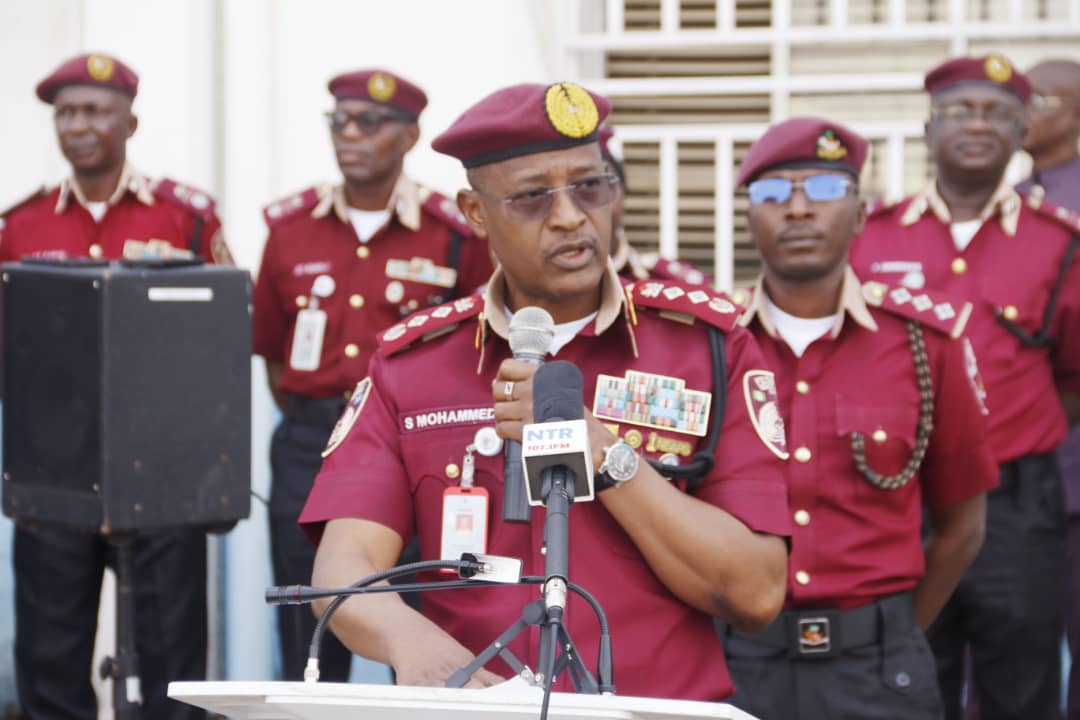
The Federal Road Safety Corps (FRSC) has prohibited its personnel from escorting politicians during campaigns for the 2027 general elections, directing officers deployed to campaign venues to concentrate exclusively on traffic management.
The directive also bars the use of FRSC patrol vehicles and sirens for political activities and private engagements, including weddings and funeral processions.
Assistant Corps Marshal Abimbola Owolabi, Zonal Commanding Officer of RS6, issued the directive on Wednesday during her maiden visit to the Cross River State Command in Calabar.
Owolabi said officers must not lead political convoys or provide escort services to politicians, stressing that official vehicles must not be used for activities outside their authorised duties.
She directed personnel assigned to campaign venues to focus on controlling traffic, preventing congestion and reducing the risk of road crashes as political activities gather momentum ahead of the 2027 elections.
The zonal commander’s directive places traffic control at the centre of the FRSC’s responsibilities during campaign events, rather than using personnel and operational vehicles to accompany political figures.
Owolabi also urged officers to intensify public education on road safety, saying sustained awareness campaigns could help reduce road crashes and fatalities.
She warned personnel against extortion, corruption and other forms of unprofessional conduct, noting that misconduct by patrol operators and other officers could damage public confidence in the corps.
“Misconduct by patrol operators and other personnel undermines public confidence in the corps. Officers must be extremely accountable across operational units,” she said.
The zonal commander further advised officers to prioritise their safety during enforcement operations and avoid unnecessary confrontations that could result in assaults, injuries or damage to their uniforms.
She urged personnel to exercise professionalism and discretion when dealing with motorists, particularly in volatile situations that could escalate into violence.
Owolabi also called for stronger collaboration with private operators to ensure that broken-down vehicles were removed promptly from highways and traffic obstructions cleared.
She said effective cooperation would help keep roads accessible and minimise disruptions caused by vehicles stranded on busy routes.
On emergency response, the FRSC zonal commander stressed the need for prompt rescue operations and intensified patrols to reduce road crashes and fatalities.
She also directed officers to maintain high standards of service delivery, handle official correspondence carefully and ensure that requests for operational support were properly documented.
“I urge FRSC personnel to maintain high standards of service delivery, process official correspondence carefully and ensure requests for operational support are properly documented,” she said.
Owolabi encouraged officers to prioritise their health and make use of the National Health Insurance Scheme, describing good health as essential to effective service delivery.
She also appealed to the wives of FRSC personnel under the Road Safety Officers’ Wives Association (ROSOWA) to support their husbands in carrying out their duties and safeguarding lives.

 Oluwatosin Haruna