 Trendsmill
Nigeria currently has no active Ebola case following the medical evacuation of the country’s only confirmed patient and her husband to Switzerland, the World Health Organisation (WHO) has announced.
The development came on Monday, October 26, after the Swiss nationals were flown out of Abuja for continued medical care and follow-up, six days after Nigeria confirmed its first Ebola case in more than a decade.
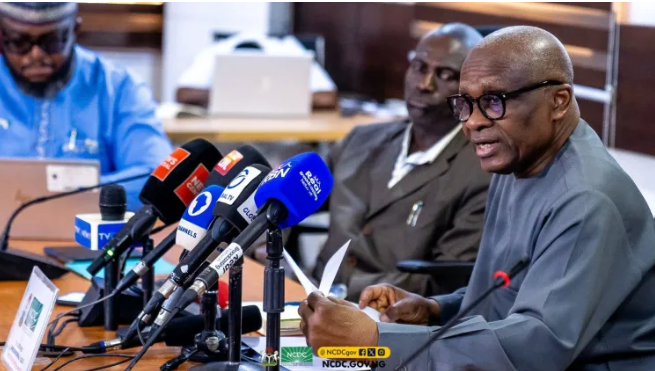
WHO Regional Director for Africa, Professor Mohamed Janabi, confirmed the development, commending the Nigerian government, medical personnel and emergency response teams for their handling of the case.
According to health authorities, the patient’s condition improved significantly following treatment in Nigeria. Coordinating Minister of Health and Social Welfare, Professor Muhammad Ali Pate, said she was stable, conscious and able to communicate before the evacuation.
Nigerian medical teams had managed her through the acute phase of the illness before arrangements were made for her transfer to Switzerland. However, officials stressed that her improved condition did not necessarily mean she was no longer infectious, making strict precautions necessary during the evacuation.
Her husband, who travelled with her, had not developed symptoms and was being monitored as a contact of the confirmed case.
WHO said Nigeria would continue monitoring 52 people who had been identified as contacts of the patient. Swiss authorities will take responsibility for the continued care of the patient and the monitoring of her husband, who was listed as contact number 53.
The contacts identified by Nigerian authorities include healthcare workers, domestic staff and other people who may have been exposed to the patient.
The Nigeria Centre for Disease Control and Prevention (NCDC) has maintained that identifying and monitoring contacts remains central to the country’s response. Individuals identified as contacts are monitored over a specified period so that any symptoms can be detected and investigated promptly.
Health officials have also urged Nigerians to cooperate with public health teams and obtain information from official sources rather than rely on unverified reports.
Nigeria confirmed the imported case on October 20, 2026, after laboratory tests identified the Bundibugyo strain of the Ebola virus in a woman who had travelled from Uganda.
The patient, the wife of a Swiss diplomat based in Abuja, arrived in Nigeria on October 3 and developed symptoms several days later. Her infection was confirmed following medical assessment and laboratory investigations.
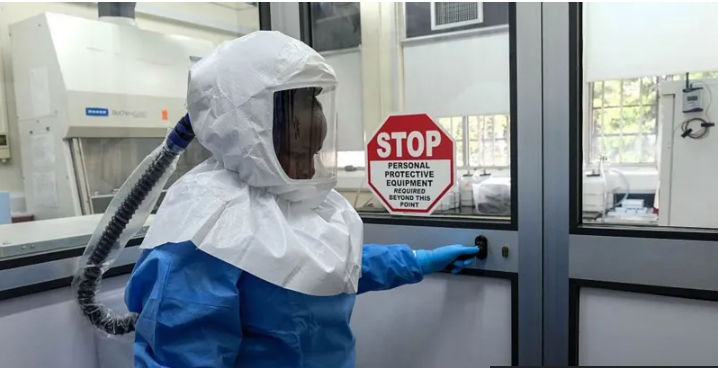
The NCDC activated a coordinated response involving federal and FCT health authorities, healthcare facilities and relevant partners. Measures included isolating the patient, investigating possible exposure, tracing contacts and strengthening surveillance.
Authorities have also continued to monitor reports of suspected cases and reinforce preparedness across health facilities.
The source of the patient’s infection has remained a subject of investigation, while the case has drawn attention to the risk of infectious diseases crossing international borders through travel.
The WHO’s announcement offers reassurance about Nigeria’s immediate situation, but health officials have emphasised that continued vigilance is necessary.

 Oluwatosin Haruna