 Trendsmill
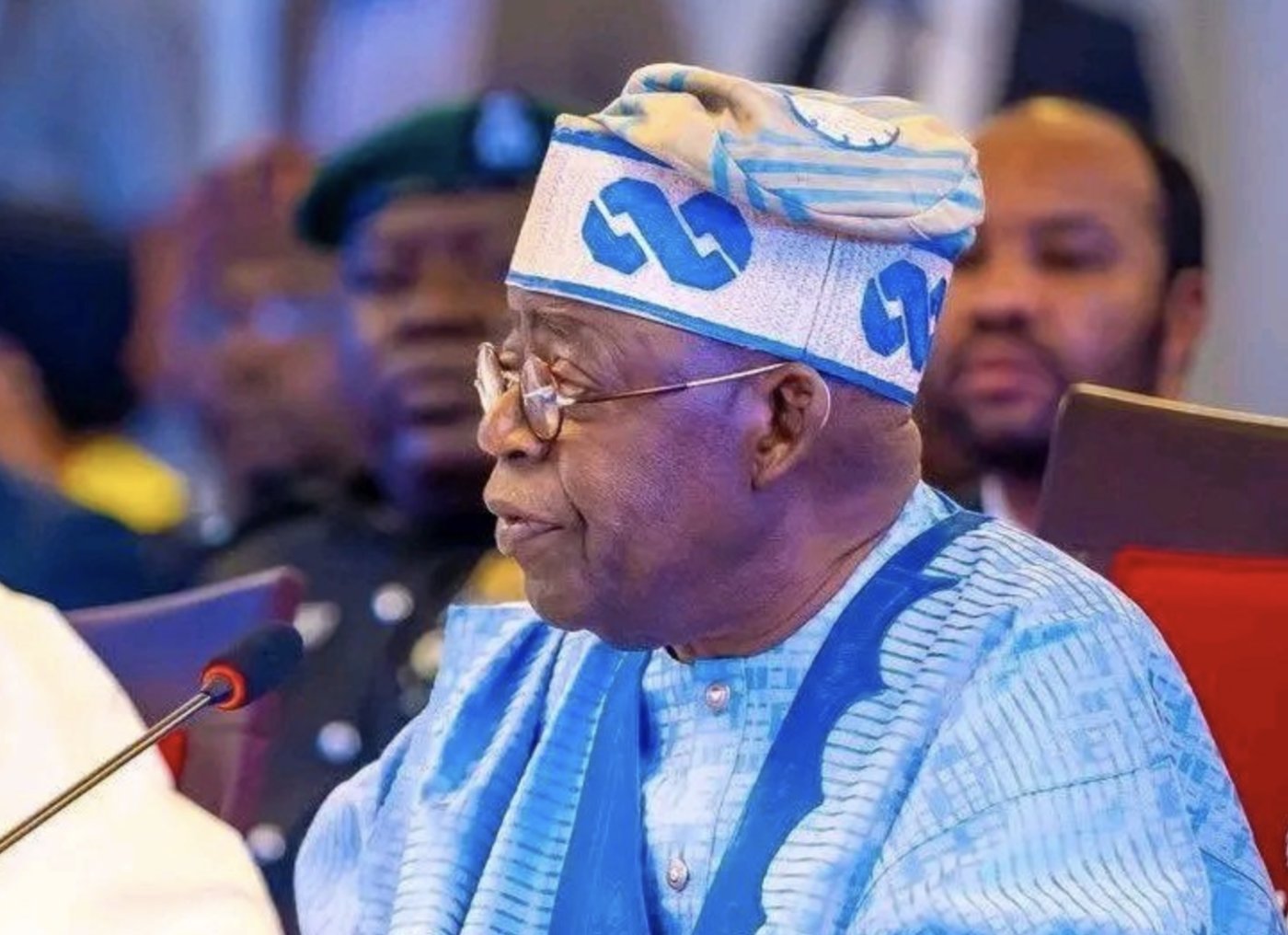
President Bola Tinubu has revealed that he worked as a taxi driver and took up several other jobs in the United States to raise money for his university education.
The President made the disclosure in a personally signed statement on Wednesday, November 4, while reflecting on how his experiences as a student influenced his administration’s education policies.
Tinubu said he had to delay the commencement of his studies for several months after arriving in the United States to save enough money before proceeding to Chicago.
Driving a taxi provided an initial source of income, while other jobs helped him meet his tuition, accommodation and living expenses during his university years.
He explained that the financial difficulties he encountered gave him a personal understanding of the challenges faced by students struggling to afford higher education.
The President said those experiences strengthened his belief that access to quality education should not depend on a child’s family background or financial circumstances.
Highlighting his administration’s education initiatives, Tinubu disclosed that the Nigerian Education Loan Fund (NELFUND) had disbursed more than N372 billion in student loans to support institutional fees and living expenses.
He also said the government’s technical and vocational education programme had attracted over 2.8 million applications, while 38 technical colleges had undergone rehabilitation.
Tinubu added that students in federal and selected state technical colleges now enjoy free tuition, boarding facilities, textbooks and uniforms.
On university education, he referenced the agreement reached with the Academic Staff Union of Universities (ASUU) in January, which provides for a 40 per cent increase in academic staff remuneration and measures aimed at improving stability in the university system.
He maintained that students should be able to complete their academic programmes within the stipulated period, stressing that a four-year degree programme should not take longer than necessary.
The President further disclosed that about N110 billion had been invested in the rehabilitation of 24 medical schools.
He said annual nursing enrolment had risen from 28,000 to 115,000, while admission into medical and dental programmes increased from 5,000 to 12,000.
Tinubu also reported that more than one million children previously excluded from formal education had returned to school, alongside ongoing efforts to improve teacher development and expand learning opportunities for girls.
He said the government was implementing a revised national curriculum designed to reintroduce Nigerian history into classrooms and strengthen children’s understanding of the country’s heritage.
The President commended the Minister of Education, Tunji Alausa, Minister of State for Education, Suwaiba Sa’id Ahmad, and other members of the education team for their contributions to the ongoing reforms.
Students and teachers have also been implored to explore the government’s Nigeria Education Sector Renewal Initiative platform to identify available opportunities and provide feedback on challenges affecting schools and communities.
Tinubu maintained that every Nigerian child should have a fair opportunity to achieve their ambitions, regardless of the circumstances of their birth.