 Trendsmill
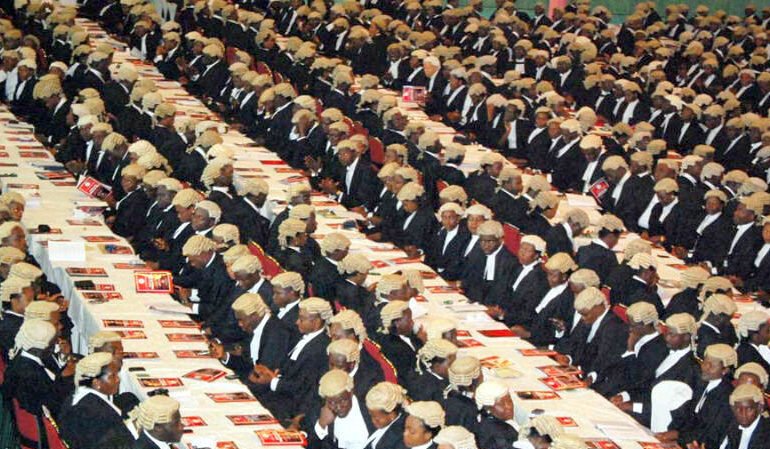
The Nigerian Law School has dismissed allegations that female Muslim candidates wearing hijab were harassed or prevented from entering examination halls during the ongoing Bar Final Examinations.
The institution maintained that it has no policy or established practice of religious discrimination, insisting that its examination procedures are designed to ensure fairness, proper identification and the prevention of malpractice.
In a statement issued by its Secretary to the Council and Director of Administration, Aderonke Osho, the Law School described reports of discrimination against hijab-wearing candidates as false.
The institution, however, disclosed that a female student wearing hijab was apprehended during the Bar Part I examinations on October 29 after allegedly being found with an earpiece concealed in her hijab and a mobile phone strapped to her thigh.
The incident is being investigated in line with its established rules and relevant regulations.
Management argued that the development underscored the importance of maintaining strict examination security measures, while emphasising that such procedures must be enforced fairly and without discrimination.
To reinforce its position, the institution cited Sections 38 and 42 of the 1999 Constitution, which guarantee freedom of religion and protection against discrimination.
This controversy followed complaints by Muslim groups over the alleged treatment of female candidates wearing Islamic head coverings during the examinations, particularly at the institution’s Bwari Campus in Abuja.
Muslim Rights Concern (MURIC) had criticised the reported restrictions, arguing that candidates should not face collective punishment over alleged examination misconduct involving an individual student.
The dispute has also renewed discussions about religious freedom and the rights of students in educational institutions.
In 2022, the Supreme Court upheld the right of female Muslim students in Lagos State public schools to wear hijab over their school uniforms in a landmark judgment involving the Lagos State Government and Asiyat AbdulKareem.
Although that ruling specifically concerned public schools in Lagos, it has continued to feature in wider conversations about religious expression and institutional regulations.
The Nigerian Law School has urged members of the public to avoid reaching conclusions before its investigation into the reported incidents is completed.
The institution is responsible for the professional training of law graduates seeking admission to the Nigerian Bar, with candidates required to complete the prescribed programme and pass the Bar examinations before being called to the Bar.

 Oluwatosin Haruna