 Oluwatosin Haruna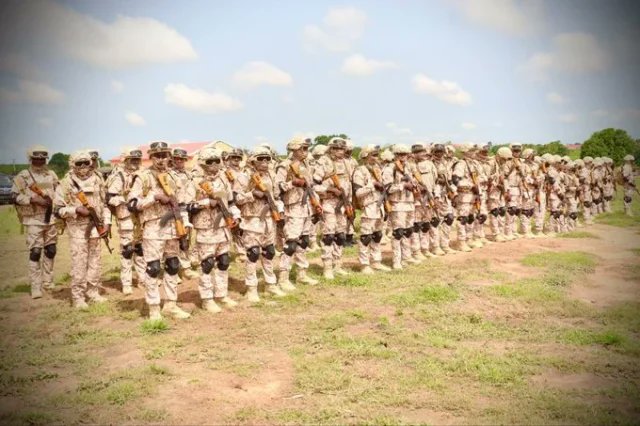
The Nigerian Army has graduated a new Special Forces battalion as part of efforts to strengthen its fight against terrorism, banditry and other security threats across the country.
The new battalion is expected to improve the military’s ability to conduct specialised operations, navigate difficult terrain and dismantle terrorist and criminal networks as security challenges continue to evolve.
The graduation ceremony took place on Friday, October 9, 2026, at the Nigerian Army Special Forces School in Doma, Nasarawa State.
Chief of Army Staff, Lieutenant General Waidi Shaibu, said the new force would strengthen the Army’s operational capacity and improve the ability of its field formations to respond to emerging threats.
According to a statement by the Acting Director of Army Public Relations, Colonel Appolonia Anele, the development forms part of efforts to improve the military’s readiness following the expansion of the Army’s divisions from eight to 12.
Shaibu said the expansion had increased the need for specialised troops capable of supporting operations across different parts of the country.
He explained that the new battalion would help strengthen security coverage and enable military formations to respond more effectively to threats, including the use of drones, improvised explosive devices and other tactics employed by terrorist groups.
The soldiers completed six months of intensive training designed to improve their combat skills, physical endurance and ability to operate in difficult environments.
The training included demanding physical and tactical exercises intended to prepare them for the challenges of specialised military assignments.
Facilities at the Special Forces School include a complex obstacle course featuring 20 obstacles and the Army’s first maze designed to help soldiers overcome the fear of darkness and confined spaces while improving their ability to navigate challenging environments.
The Army said the training was aimed at producing personnel capable of adapting to changing battlefield conditions and responding to increasingly sophisticated security threats.
Shaibu urged the newly graduated soldiers to maintain discipline, professionalism and sound judgment in carrying out their duties.
He stressed that success in military operations must go hand in hand with respect for human rights and the maintenance of public confidence.
The Army chief also called for greater use of intelligence, improved technological awareness and closer cooperation between the military and other security agencies.
He said these measures were essential to achieving lasting security rather than relying solely on combat operations.
Earlier, the Chief of Training, Major General Valentine Okoro, said the training programme had been designed to reflect current operational demands and incorporate lessons from ongoing military operations.
The Commandant of the Nigerian Army Special Forces School, Brigadier General Umar Abubakar, also highlighted the rigorous physical and tactical preparation undertaken by the soldiers.
Shaibu commended the instructors and training partners for their contributions to preparing the personnel for specialised operations.

 Trendsmill