 Trendsmill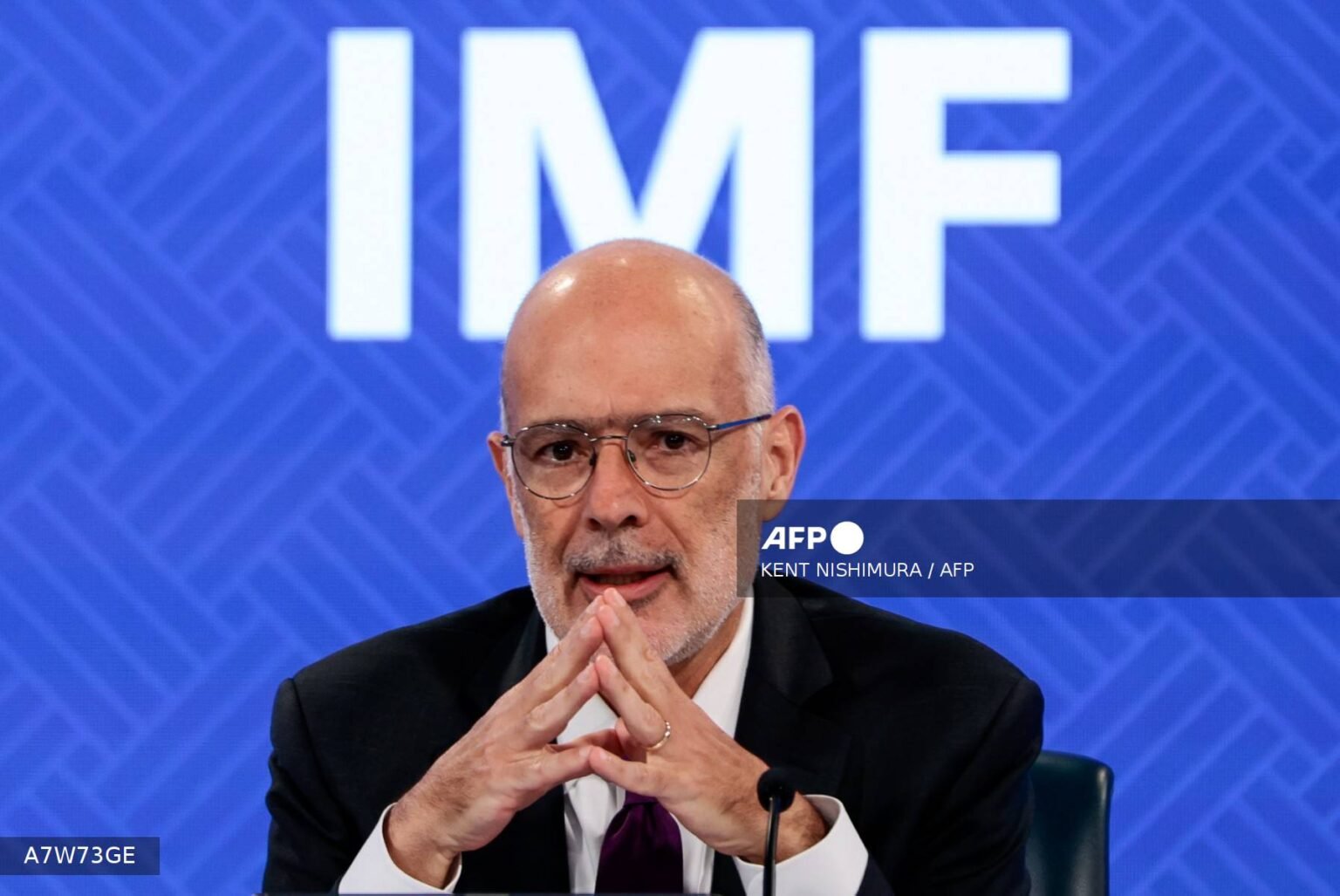
The International Monetary Fund (IMF) has warned Nigeria against restoring petrol subsidies, urging the Federal Government to focus on targeted assistance for vulnerable households as high fuel prices continue to deepen the cost-of-living crisis.
Rather than keeping petrol prices artificially low for all consumers, the institution recommends directing support towards Nigerians most affected by rising energy costs, arguing that broad-based subsidies can place a heavy burden on public finances while delivering disproportionate benefits to wealthier households.
The recommendation comes amid growing pressure on President Bola Tinubu’s administration to ease the economic hardship associated with the removal of petrol subsidies in 2023. Higher fuel prices have increased transportation costs, raised the cost of moving food and other essential goods, and added to operating expenses for businesses.
Restoring the subsidy could further constrain government spending, leaving fewer resources available for healthcare, education, infrastructure and social protection at a time when public finances face competing demands.
Fuel subsidies have historically been costly to governments because they require public funds to bridge the gap between regulated prices and the actual cost of supplying petrol. Their benefits are also unevenly distributed, as households and businesses that consume more fuel tend to receive a larger share of the support.
The IMF’s position reinforces the argument that assistance should focus on protecting people rather than suppressing fuel prices across the economy.
During discussions on fuel subsidies and energy-price pressures, Rodrigo Valdés, director of the IMF’s Fiscal Affairs Department, stressed the distinction between helping vulnerable people and keeping energy prices artificially low.
“Protecting people is not the same as protecting the price of fuels,” Valdés said during a briefing at the IMF and World Bank annual meetings in Bangkok, Thailand.
He warned that broad fuel subsidies could discourage consumers from adjusting to constrained energy supplies and add to price pressures across the economy.
Davide Furceri, a division chief in the institution’s Fiscal Affairs Department, identified alternatives including subsidised public transportation, school feeding programmes and targeted assistance for vulnerable farmers.
However, implementing such measures could prove difficult in countries where household databases and digital payment systems are inadequate. Temporary alternatives may be necessary while governments develop more reliable systems for identifying eligible beneficiaries.
The recommendation is for relief to be limited, targeted and temporary rather than extended indiscriminately to all fuel consumers.
Nigeria’s challenge is to ensure that the fiscal benefits of subsidy removal translate into tangible improvements in living standards. Although the policy has reduced the government’s direct expenditure on petrol subsidies, households continue to face pressure from transport fares, food prices and other essential expenses.
Tinubu’s administration must in that vein balance the need to preserve its economic reforms with growing demands for measures that provide meaningful relief. The speed, reach and effectiveness of those interventions will help determine whether the benefits of reform become more visible to ordinary Nigerians.

 Oluwatosin Haruna