
 Trendsmill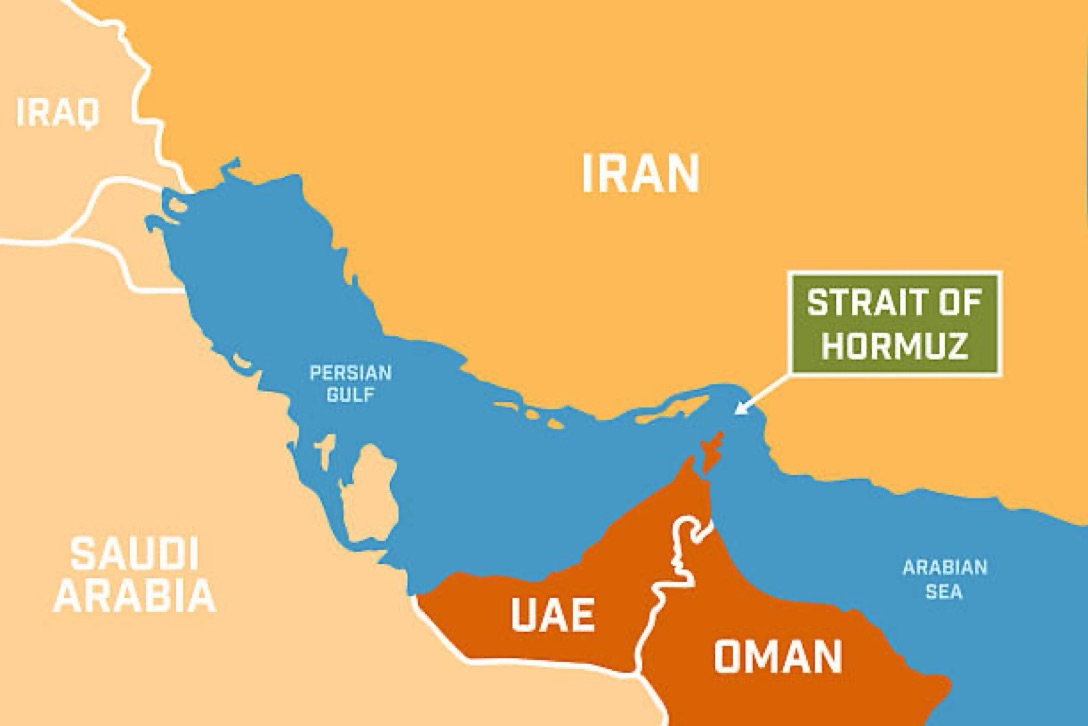
Global energy markets are facing renewed uncertainty after Iran threatened to retaliate against U.S. attacks by targeting energy infrastructure across the Gulf.
The warning coincided with another decline in commercial shipping through the Strait of Hormuz.
Kpler data showed that seven commodity vessels crossed the waterway on Monday, compared with eight the previous day.
The Strait is a vital route for international oil and gas trade, making any disruption particularly significant for energy markets.
Goldman Sachs has raised its forecasts for Brent and West Texas Intermediate crude for December 2026 and 2027, citing expectations that shipping disruptions could persist into next year.
The latest warning from Iran comes amid an increasingly volatile military confrontation involving Washington and Tehran.
Oil prices have already climbed as traders assess the possibility of further disruption.
Brent crude reached $97.31 per barrel, while WTI rose to $92.65.
Analysts are watching closely to determine whether the situation could develop into a wider supply crisis.
The Strait of Hormuz is particularly important because it provides a major shipping route between Gulf oil producers and global markets.
A significant reduction in vessel movements could increase freight and insurance costs while making crude deliveries more difficult.
The impact could extend to countries far outside the region.
Higher oil prices can raise transportation expenses and increase production costs for businesses.
At the same time, some shipping activity has shifted towards the Bab el-Mandeb Strait.
Twenty-nine commodity vessels travelled through the waterway on Monday, compared with 17 a day earlier.
However, tracking systems do not provide a complete picture because some vessels may disable their transponders.
The energy market is therefore likely to remain sensitive to any further military action.
The immediate focus remains on whether Iran follows through on its warnings and whether Washington takes additional military action.
Any further attacks involving energy infrastructure or commercial vessels could create fresh pressure on global oil prices.