 Trendsmill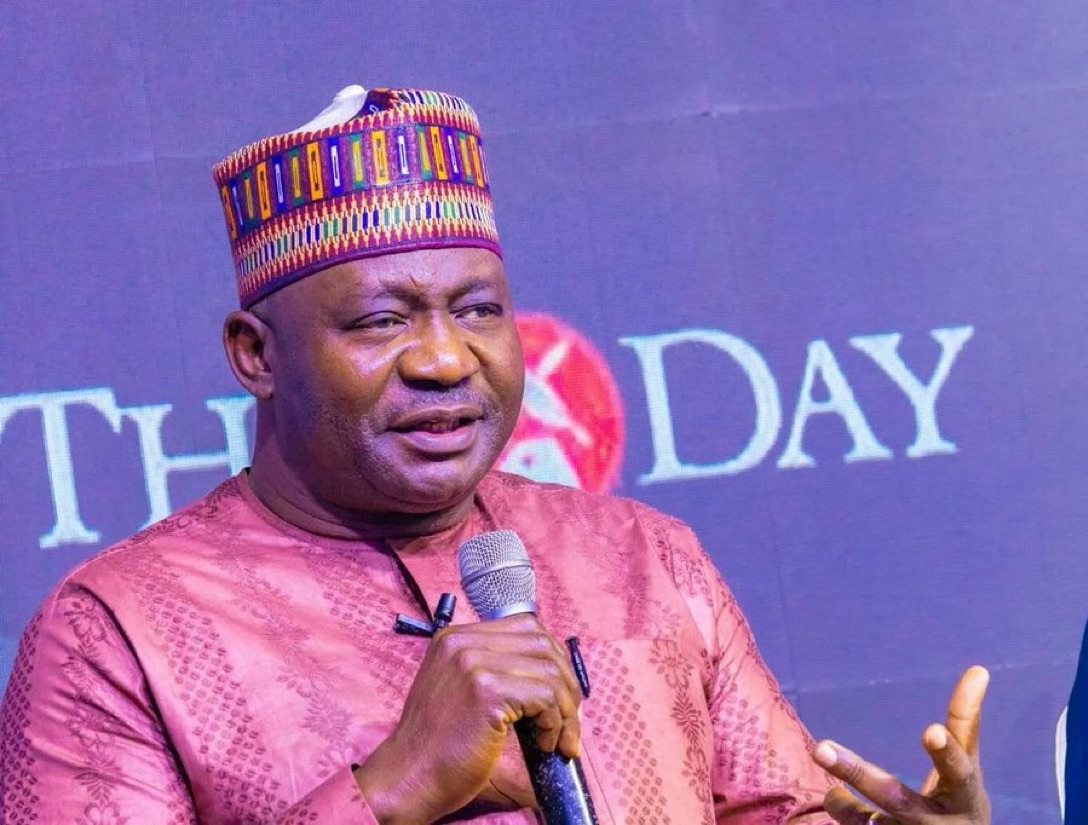
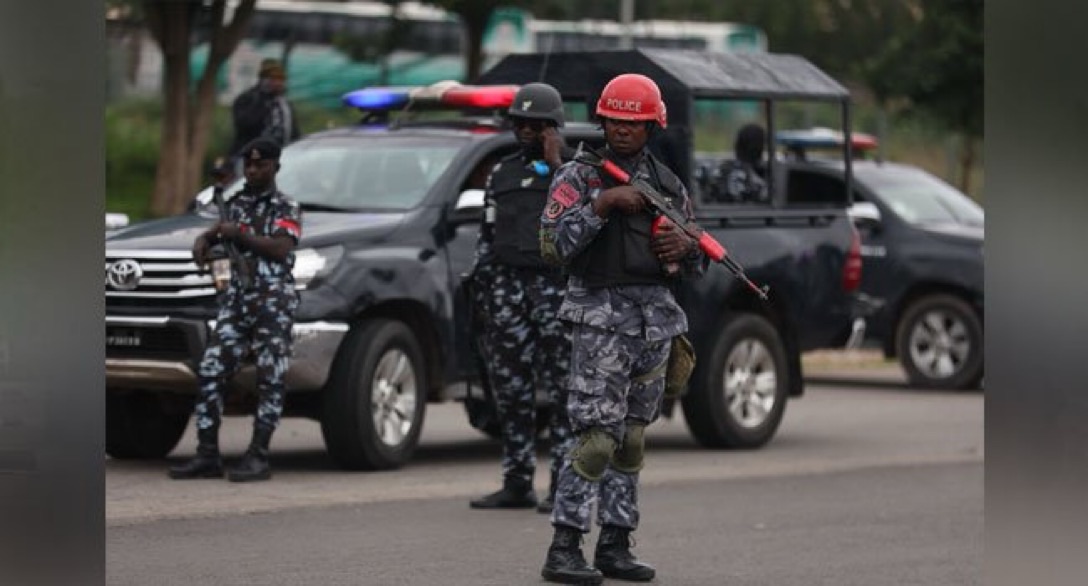
The Minister of Defence, Gen. Christopher Musa (retd.), has called for every Nigerian to undergo military training, saying the experience would expose citizens to the hunger, exhaustion and physical strain that soldiers endure while protecting the country.
Musa made the proposal while speaking on the African Leadership Podcast with Ken Giami, in an interview that examined his military career, Nigeria’s security challenges and the conditions confronting troops in the field.
The Defence Minister said military training would give Nigerians a perspective on hardship that ordinary civilian life may not provide. He pointed specifically to situations where soldiers are forced to continue moving for kilometres despite being tired, hungry and deprived of sleep.
According to Musa, the purpose of such training would not simply be to teach people military techniques, but to make them understand the endurance required when personnel are operating under difficult conditions.
He said Nigerians who experience the rigours of military training would better understand what it means to continue a task despite physical exhaustion and discomfort.
Musa connected that experience directly to the sacrifices made by members of the Armed Forces, saying soldiers put their lives at risk while carrying out their responsibilities.
The former Chief of Defence Staff also took aim at the criticism sometimes directed at military personnel. He said it was painful to see soldiers insulted or accused of wanting insecurity to continue, stressing that military personnel also want peace.
His argument was that the public should remember the human beings behind the uniforms.
Musa said soldiers are fathers, mothers, brothers and sisters who leave their families behind when deployed. He noted that troops remain at their posts through rain, dust, night and day while carrying out security duties.
“They’ve families they’ve left behind,” Musa said, stressing that personnel continue working under harsh conditions to keep the country secure.
The minister’s comments come against the backdrop of Nigeria’s continuing battle with terrorism, banditry, kidnapping and other security threats.
Musa also used the interview to discuss challenges beyond the immediate battlefield. He said about 70 per cent of Nigeria’s counter-insurgency effort is non-military and described kidnapping as increasingly a social problem, pointing to the need for responses that go beyond troop deployments.
He further advocated stronger domestic weapons production, arguing that Nigeria should reduce its dependence on foreign suppliers and avoid lengthy waits for military equipment.
Another concern raised by Musa was Nigeria’s changing border-security environment. He linked increased infiltration across some of the country’s borders to the withdrawal of Niger, Burkina Faso and Mali from the Economic Community of West African States, while noting that Nigeria is strengthening bilateral security relationships with countries including Cameroon.
The military-training proposal sits within a much wider security argument from the Defence Minister: citizens should understand the physical cost of military service, while the country simultaneously strengthens its borders, domestic defence industry and broader response to insecurity.
While the minister is calling for every Nigerian to experience military training, the Defence Ministry has not announced a nationwide compulsory programme. The immediate issue, therefore, is no longer whether the minister supports the idea, but whether the Federal Government will formally take it up and define how such training would be financed, administered and applied across the country.