 Trendsmill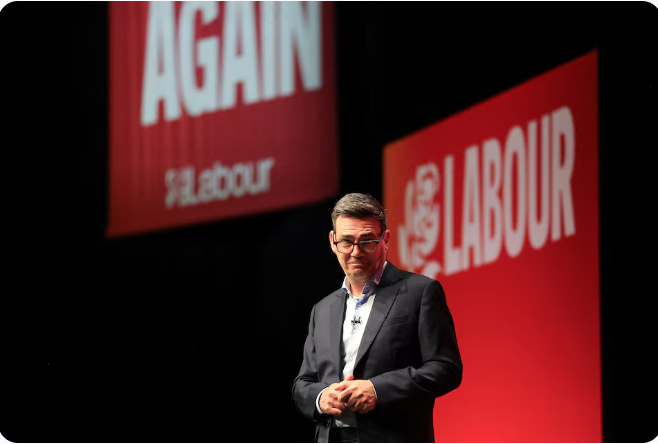

British Prime Minister Andy Burnham has opened the door to the United Kingdom potentially rejoining the European Union, saying a return to the bloc should be considered alongside other options for reshaping Britain’s long-term relationship with Europe.
Burnham said the government would examine a range of possible arrangements, from maintaining the UK’s current post-Brexit position to pursuing closer economic ties or going further and seeking full EU membership.
Speaking to the BBC on Wednesday, Burnham said he wanted to assess “what is doable” and examine the advantages and disadvantages of each option before deciding on a long-term direction for Britain.
“We could stay as we are,” Burnham said, adding that the government could also consider proposals for a customs union or the EU single market before potentially going “all the way.”
The comments represent a significant shift in the political debate over Brexit, coming a decade after British voters backed leaving the EU in the 2016 referendum.
Burnham has argued that Brexit has caused more harm than good and said Britain needs a clearer long-term relationship with its European neighbours.
He is expected to use a delayed UK-EU summit later this year to set out the different options and seek broader agreement on the country’s future relationship with the bloc.
The options under discussion could include remaining outside the EU while strengthening cooperation, joining a customs union, returning to the single market or ultimately seeking full EU membership.
A return to the EU would be a much more significant step than the limited “reset” pursued by Burnham’s predecessor, Keir Starmer. It would also require negotiations with the bloc and, according to current reporting, could involve a referendum on membership.
Burnham’s comments are likely to reignite debate over Brexit, with opposition figures already accusing the government of reopening an issue that has divided British politics for years. Reuters reported that Reform UK has said it would challenge any move aimed at taking Britain back into the EU.
The prime minister has nevertheless said he does not want the question of Britain’s relationship with Europe left unresolved.
His government now faces the task of determining which of the possible arrangements is practical, what changes each would require and whether there is sufficient political support for a new long-term settlement.