 Trendsmill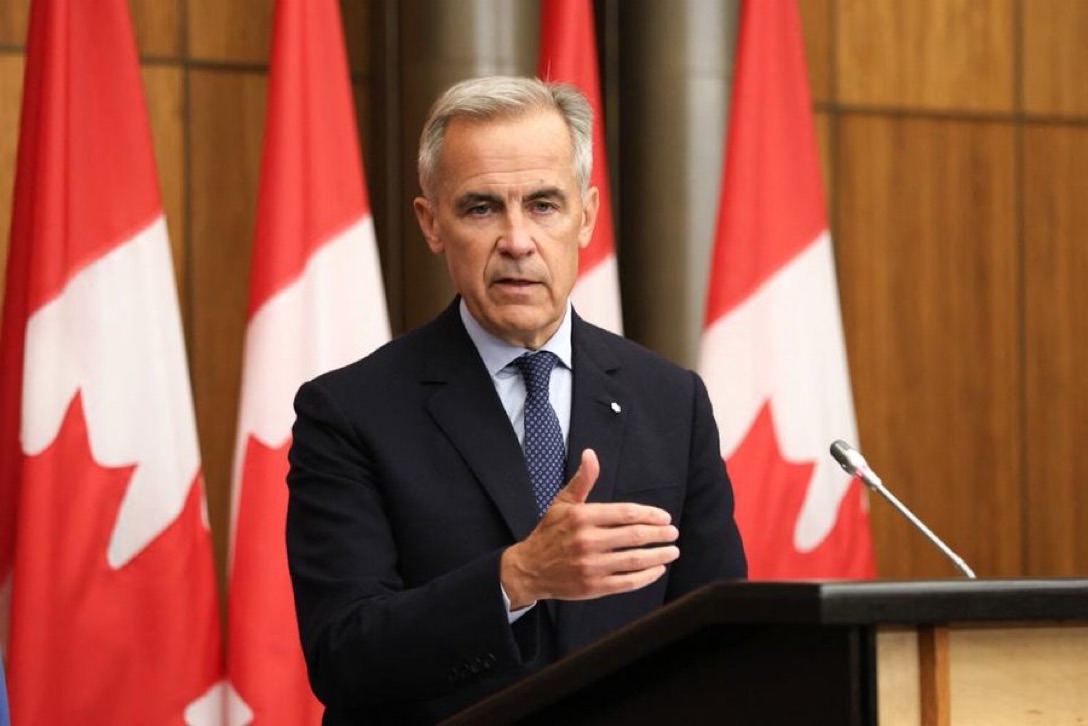
The European Union has opened a new chapter in its relationship with Canada, with European Commission President Ursula von der Leyen proposing that Ottawa become the bloc’s first associate member as both sides move towards a deeper strategic partnership.
Von der Leyen made the proposal on Wednesday during her annual State of the European Union address in Strasbourg, where Canadian Prime Minister Mark Carney was present as a special guest.
The initiative would create a new form of relationship between Canada and the 27-member bloc, stopping short of full EU membership while allowing the two sides to expand cooperation across areas considered strategically important.
Carney has previously described Canada’s objective as a “unique alliance” with Europe rather than membership of the European Union. Ottawa has been seeking closer economic and security relationships with European countries as its longstanding dependence on the United States comes under increasing pressure from trade tensions with Washington.
The proposed arrangement would build on existing Canada-EU cooperation, including the Comprehensive Economic and Trade Agreement, while widening collaboration in sectors such as technology, defence, energy, critical minerals and advanced manufacturing.
Von der Leyen also pointed to cooperation on artificial intelligence, climate policy and Arctic development as areas where Canada and Europe have shared strategic interests.
The proposal represents a significant change in the EU’s approach to its relationship with countries outside the bloc. Associate membership is not currently an established category under EU treaties, meaning any eventual arrangement would require further negotiations over its legal and institutional framework.
For Canada, the European market offers an opportunity to diversify its international economic relationships. Carney’s government has set a target of significantly increasing Canada’s trade outside the United States over the coming decade, while Ottawa has intensified discussions with Europe on defence, critical minerals, digital security and other strategic areas.
The shift is taking place against a difficult backdrop in Canada-US relations. Trade disagreements and tariff tensions have encouraged Ottawa to look more actively towards Europe and other international partners, although Canada remains deeply connected to the American economy.
The European Union also has strategic reasons to strengthen its relationship with Canada. Ottawa possesses substantial resources and expertise in areas including critical minerals, energy, advanced technology and Arctic affairs, while Canada remains a major defence partner through NATO.
The proposed partnership therefore goes beyond conventional trade discussions. Both sides are increasingly looking at economic resilience, defence cooperation and secure supply chains as part of a broader response to changes in the global balance of power.
Carney is expected to address the European Parliament as part of his visit to Strasbourg, giving Canada an opportunity to outline its vision for a closer relationship with Europe.
The next stage will depend on negotiations over what associate membership would actually involve. Issues including market access, regulatory alignment and the legal basis for the proposed status would have to be settled before the arrangement could become operational.