 Trendsmill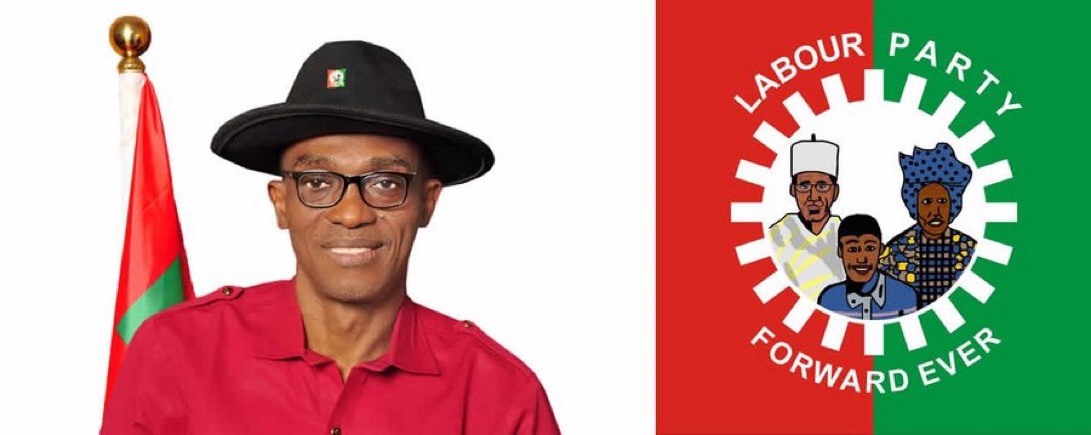
The Obidient Movement is considering possible new political alliances as the dispute over the leadership of Nigeria’s Labour Party continues ahead of the 2027 general elections.
The development followed a strategy meeting of the Directorate of Mobilisation and Integration (DMI), where members reviewed the political situation and discussed the organisation’s plans for the next electoral cycle.
The meeting was led by DMI Director-General Marcel Ngogbehei, a pioneer organiser of the Obidient Movement. More than 150 state coordinators reportedly participated through Google Meet, while additional members joined through WhatsApp.
According to the DMI, its leadership has been authorised to begin consultations with political and institutional stakeholders over possible areas of cooperation. However, the organisation said the consultations should not be interpreted as the formal announcement of a new political alliance.
The group also clarified its relationship with the Julius Abure-led faction of the Labour Party.
The DMI described Abure as a strategic partner, maintaining that its relationship with the Labour Party faction does not amount to an organisational merger.
The relationship, according to the organisation, developed from cooperation between the Labour Party and the Obidient Movement following the 2023 elections.
The Labour Party has been dealing with an internal leadership dispute involving different factions and competing positions over the control of the party.
The DMI said the ongoing legal and political developments could have implications for party administration and preparations for the 2027 elections.
During the strategy meeting, participants considered different possible outcomes of the leadership dispute and their potential effect on party structures and candidate nominations.
The organisation said it would respect binding court decisions and applicable electoral laws while continuing its own activities.
The DMI also reviewed its grassroots mobilisation structure across the country.
It said it has more than 500 state and Federal Capital Territory coordinators and over 11,000 coordinators across Nigeria’s 774 local government areas.
The organisation said its coordinators are being encouraged to develop operational teams as part of its wider grassroots structure.
The latest consultations come as political parties, movements and other groups begin positioning themselves ahead of the 2027 elections.
The discussions according to the group provide an opportunity to assess potential partnerships while maintaining its existing relationship with the Labour Party faction led by Abure.
No new alliance was formally announced following the strategy meeting, with consultations expected to continue as the political landscape develops.