 Trendsmill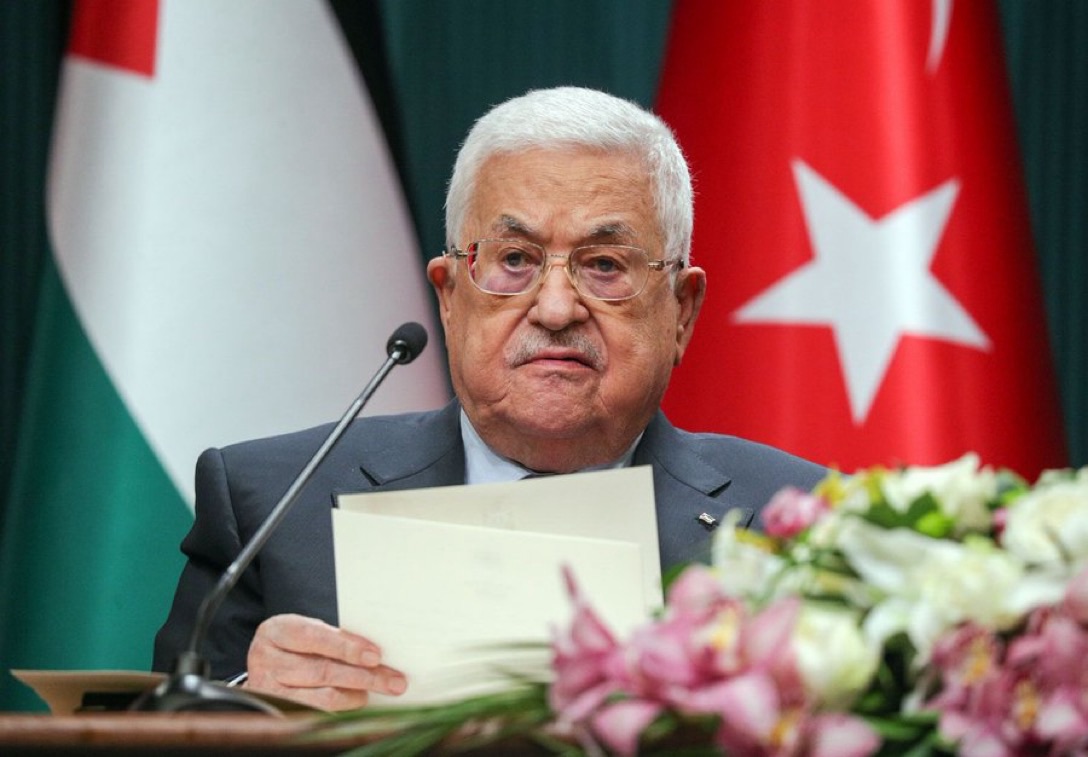
The United States has once again refused to grant Palestinian President Mahmoud Abbas permission to enter the country ahead of the United Nations General Assembly in New York, keeping him away from the annual gathering of world leaders for a second consecutive year.
Washington announced the extension of visa restrictions affecting officials linked to the Palestinian Authority and the Palestine Liberation Organization as the UN prepared for its high-level session.
Although Abbas was not identified by name in the US State Department’s announcement, officials familiar with the decision confirmed that the Palestinian leader is among those affected by the restrictions.
The move means Abbas will not be able to travel to New York to personally deliver his address at the General Assembly, where the Palestinian leadership has traditionally used the international platform to press its case on statehood and the Israeli-Palestinian conflict.
The US administration said its decision was connected to what it described as actions by Palestinian institutions that conflict with commitments made to Washington and efforts that it believes have complicated the search for a negotiated settlement.
Washington also cited Palestinian activity involving international legal institutions, including proceedings at the International Criminal Court and the International Court of Justice. It further objected to efforts to obtain international recognition for Palestinian statehood outside a direct negotiating process with Israel.
The State Department also repeated its objections to what it describes as financial support for individuals involved in terrorism and the portrayal of terrorism in Palestinian public and educational material.
The Palestinian leadership has rejected the broader US approach to the conflict, arguing that diplomatic negotiations over the years have failed to produce an independent Palestinian state or end Israeli control over Palestinian territories.
Abbas’s latest visa setback follows a similar decision last year, when he was also prevented from travelling to New York for the General Assembly. He subsequently participated in the meeting through a recorded video address.
The issue of his participation has again shifted to the UN, where arrangements are being considered to allow the Palestinian president to address the gathering remotely despite being unable to enter the United States.
The dispute comes at a time when Palestinian statehood remains a major issue at the international organisation, with governments divided over how recognition should be pursued and whether it should precede a negotiated settlement with Israel.
The US restrictions do not, however, amount to a complete shutdown of Palestinian diplomatic activity at the United Nations. Washington has maintained arrangements allowing personnel connected with the PLO’s UN observer mission to continue operating in New York.
With Abbas again unable to attend physically, the Palestinian leadership is expected to rely on the alternative arrangements available through the General Assembly as it seeks to present its position to the international community.

 Oluwatosin Haruna