 Oluwatosin Haruna
Maritime stakeholders have urged the Federal Government to translate existing shipping policies into practical results, calling for stronger indigenous participation, improved seafarer training and reforms capable of making Nigeria more competitive in the global maritime industry.
The call was made during a panel session at the 2026 World Maritime Day celebration in Lagos, where industry leaders examined how government policies could deliver tangible benefits for Nigerian shipowners, maritime workers and businesses.
The discussions focused on implementing existing policies, improving access to opportunities for local operators and addressing obstacles limiting the growth of Nigeria’s maritime industry.
The President of the Nigerian Chamber of Shipping, Aminu Umar, acknowledged efforts by the Federal Government to develop the sector, including the formulation of a 10-year maritime policy, port modernisation and digitalisation initiatives, as well as plans to revive the Cabotage Vessel Financing Fund.
However, he called for a clearer distinction between Nigerian-flagged vessels and ships owned by Nigerians, noting that some Nigerian shipowners operate vessels registered under foreign flags.
The distinction, he argued, is important in assessing the level of indigenous participation in the industry and identifying measures needed to strengthen local shipping businesses.
The Cabotage Vessel Financing Fund is also considered an important instrument for supporting Nigerian shipowners seeking to acquire vessels and expand their operations.
Industry participants have continued to emphasise the need for effective implementation of financing and shipping policies to ensure that domestic operators can compete more effectively in the maritime market.
Beyond shipping ownership, the development of skilled Nigerian maritime professionals featured prominently in discussions about the industry’s future.
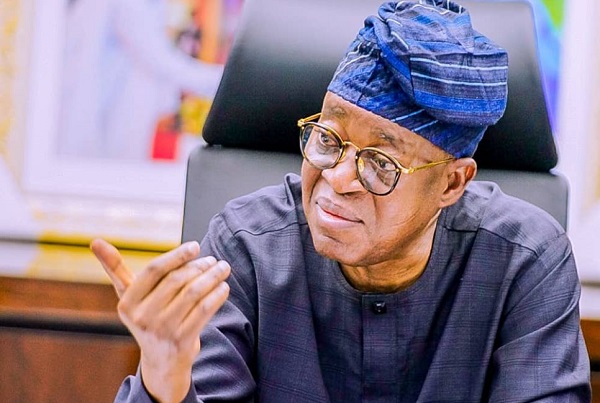
The Minister of Marine and Blue Economy, Adegboyega Oyetola, said the Federal Government was expanding training, professional certification and practical onboard experience to prepare Nigerian seafarers for international opportunities.
He highlighted collaboration between Nigeria LNG Limited and the Maritime Academy of Nigeria, Oron, including a sea-time training agreement designed to help cadets acquire the practical experience required for professional certification.
“We are expanding seafarer training, certification and practical sea-time opportunities in line with international standards,” Oyetola said.
The minister added that wider training and placement initiatives were intended to build a skilled workforce capable of competing in the international maritime labour market.
Access to practical sea-time experience remains important for cadets seeking professional certification, making partnerships between training institutions and industry operators a key part of efforts to develop local expertise.
Oyetola also pointed to improvements in maritime security, including the lifting in August 2026 of longstanding United States Coast Guard Condition of Entry restrictions affecting vessels arriving from Nigerian ports.
He said the development had economic implications because most of Nigeria’s international trade moves by sea.
According to the minister, reducing security-related delays and additional shipping burdens could lower logistics costs, improve business competitiveness and ease pressure on the prices of goods and services.
The government has also highlighted efforts to strengthen the fisheries and aquaculture segments of the marine and blue economy.
Oyetola disclosed that fish production increased from approximately 1.1 million metric tonnes to 1.4 million metric tonnes in 2025.
He said the government was building on the increase through responsible aquaculture, improved processing, cold-chain investment and better access to markets.
The initiatives are intended to improve productivity, create business opportunities and support food security while expanding economic activities linked to Nigeria’s marine resources.
The Director-General of the Nigeria Ports Economic Regulatory Agency, Pius Akutah, said the 2026 World Maritime Day theme, “From Policy to Practice: Powering Maritime Excellence”, called for an assessment of the sector based on the real improvements policies deliver.
He said Nigeria needed policies that translated into safer shipping, more efficient ports, a healthier maritime environment and better conditions for people working across the industry.
Nigeria’s ability to expand indigenous shipping, improve professional training and reduce the cost of maritime operations will depend in part on how effectively existing policies and announced initiatives are implemented.

 Trendsmill