 Oluwatosin Haruna
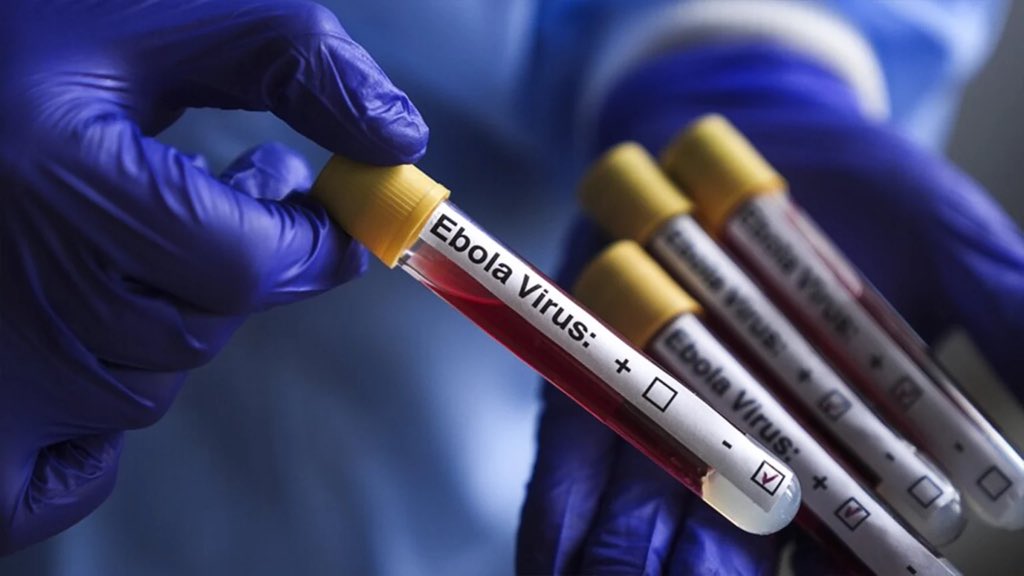
The Ogun State Government has intensified surveillance and emergency preparedness following Nigeria’s confirmation of an Ebola case in the Federal Capital Territory (FCT), assuring residents that no infection had been recorded in the state as of October 21, 2026.
The state government said it was strengthening disease monitoring, public awareness and infection prevention measures to ensure the early detection and management of any suspected case.
Commissioner for Health, Dr Tomi Coker, disclosed this in a statement on Wednesday, saying Ogun had maintained heightened vigilance since the Ebola outbreak in the Democratic Republic of the Congo (DRC) was declared in May 2026.
According to Coker, health authorities identified and monitored 111 persons of interest, comprising travellers from high-risk countries. All were subsequently discharged from follow-up after completing the required surveillance period.
She said the state’s Public Health Emergency Operations Centre was coordinating preparedness and response activities to ensure suspected cases could be promptly identified, reported and managed.
The government has also strengthened the capacity of disease surveillance officers, port health personnel, clinicians, health educators and community informants through training on appropriate response procedures.
Coker added that relevant national guidelines and response protocols had been adapted for use in the state, while public sensitisation and infection prevention measures in healthcare facilities were being intensified.
The commissioner urged residents to remain calm, observe preventive measures and rely on verified information from public health authorities rather than spreading unconfirmed reports.
Ebola is a serious viral disease that can cause severe illness and death. Symptoms may include fever, fatigue, headache, muscle pain, sore throat, vomiting, diarrhoea and abdominal pain. In some cases, unexplained bleeding or bruising may occur.
The virus spreads primarily through direct contact with the blood or other bodily fluids of an infected person who has developed symptoms, the body of someone who has died from the disease, or contaminated materials.
Residents were advised to wash their hands regularly with soap and running water, avoid contact with the bodily fluids of anyone suspected of having the disease and promptly seek guidance from public health authorities if they believe they may have been exposed.
The commissioner also urged healthcare workers in public and private facilities to maintain a high level of vigilance, promptly identify and isolate suspected cases, follow strict infection prevention and control procedures, and immediately notify disease surveillance officers in their local government areas.
Nigeria confirmed an imported Ebola case in the FCT on October 20, involving a woman with a recent travel history linked to Uganda. The patient was isolated and receiving medical care, while health authorities identified 44 contacts for monitoring as part of efforts to prevent further transmission.
Ogun said it would continue working with the Federal Ministry of Health and Social Welfare, the Nigeria Centre for Disease Control and Prevention and other relevant partners to monitor developments and protect public health.

 Trendsmill