 Trendsmill

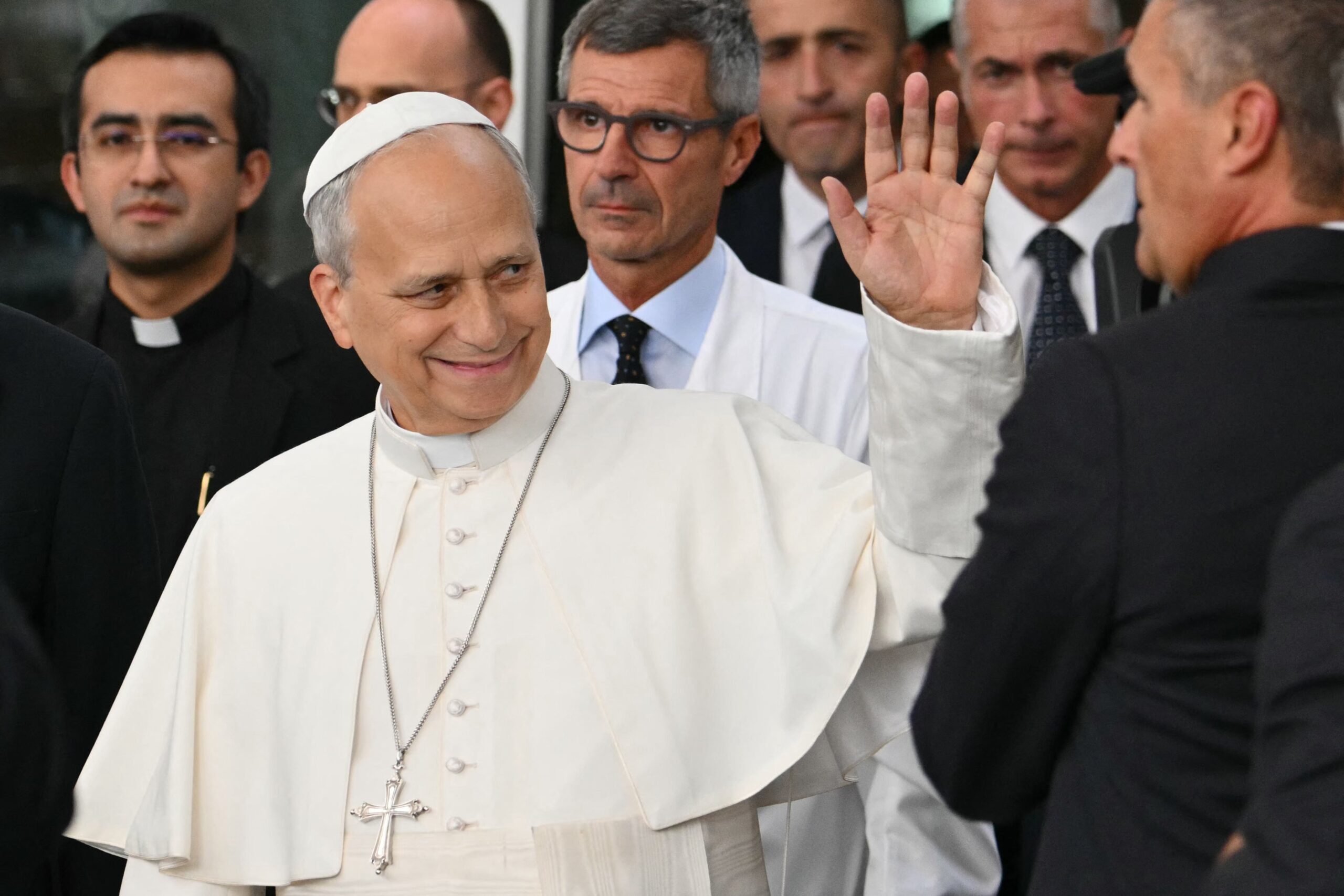
Pope Leo XIV has made history as the first sitting pontiff to cast a ballot in a United States general election, after voting by mail ahead of the country’s November 3 midterm elections.
Vatican confirmed on Friday that the 71-year-old pontiff had submitted his mail-in ballot in Chicago, Illinois, his birthplace, exercising his rights as a United States citizen despite residing in the Vatican.
In a statement, the Holy See Press Office said the Pope had continued his longstanding practice of participating in democratic processes whenever he was eligible to vote.
The statement added that Leo XIV believed citizens had both the right and responsibility to participate in democratic elections.”
The Holy Father expresses his belief in the right and the duty of citizens to participate in democratic processes,” the Vatican said.
The historic vote comes ahead of the November 3 midterm elections, in which Americans will elect members of the House of Representatives, several senators and governors across different states.
All 435 seats in the House of Representatives are up for election, while 35 Senate seats will also be contested.
The Pope, whose birth name is Robert Francis Prevost, was born in Chicago and remains a United States citizen. He registered to vote in Illinois under his birth name and requested a mail-in ballot on October 3.
Before his election as head of the Catholic Church in May 2025, Prevost had participated in several American elections, including the 2024 general election.
He also exercised his voting rights during his years of missionary and pastoral service in Peru, where he acquired citizenship.
The Pope’s participation marks an unprecedented moment in the history of the papacy, as no previous sitting pope has been publicly confirmed to have voted in a United States general election.
The Vatican did not disclose the candidates or political party the pontiff supported in the upcoming election.
Leo XIV’s participation has also drawn attention because of his position as head of the Catholic Church and sovereign of the Vatican, making his decision to exercise his American voting rights an unusual intersection of religious leadership and democratic participation.

 Oluwatosin Haruna