 Oluwatosin Haruna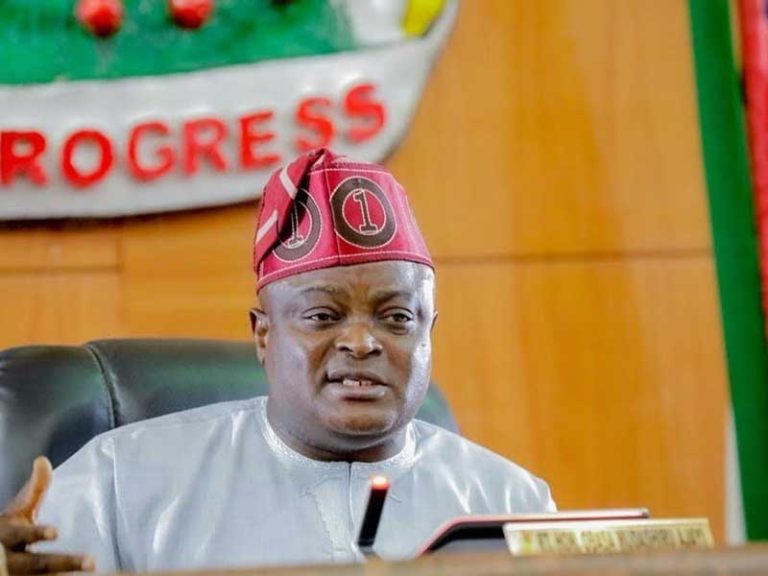
The Lagos State House of Assembly has launched an exercise to identify and recover government-owned assets, including undocumented properties, while warning public officials who fail to cooperate with its investigation that they could face legislative sanctions.
The Assembly has constituted an eight-member ad hoc committee to establish the ownership, condition and current use of properties and other assets belonging to the state government.
The committee will also examine records held by ministries, departments and agencies (MDAs) to determine whether government assets are properly documented, accounted for and being used for the benefit of residents.
The move is part of the legislature’s efforts to strengthen oversight of public resources, improve accountability and ensure that taxpayers’ money and government-owned properties are managed responsibly.
Obafemi Saheed, chairman of the committee, said the exercise would help the state establish a clearer picture of the assets under its ownership and determine whether they were being put to effective use.
He said the committee’s work would involve scrutinising government expenditure, monitoring the use of public funds and checking whether money allocated to public institutions was spent for its approved purposes.
According to him, identifying and assessing the state’s assets would help lawmakers determine their current condition and whether they were serving the interests of Lagos residents.
Assembly warns MDAs over failure to cooperate
The committee has directed government agencies that have yet to submit the requested documents to do so without further delay.
It also expects the heads of the affected institutions to appear before it as scheduled and provide comprehensive information about the properties and other assets under their control.
Saheed warned that officials who ignored the committee’s invitations or treated its proceedings with disregard would face appropriate legislative action.
He said the committee had the power to subpoena individuals and could seek the approval of the House to issue arrest warrants against those who refused to comply with its directives.
The warning places pressure on government institutions to provide the necessary records and cooperate with the lawmakers as the exercise continues.
The committee is expected to use the information gathered from the agencies to verify existing asset records, identify properties that may not have been properly documented and establish the status of assets under government control.
However, the Obasa led Assembly has not announced the number or monetary value of assets it expects to identify or recover.
Agencies already appearing before committee
Several Lagos State government institutions have already appeared before the committee as part of the ongoing exercise.
They include the Lagos State New Town Development Authority (NTDA), Lagos State Waterways Authority (LASWA) and Lagos Metropolitan Area Transport Authority (LAMATA).
Others are the Lagos State Council for Arts and Culture, the Ministries of Basic and Secondary Education, Tertiary Education, and Wealth Creation and Employment.
The Lagos State Ferry Services, Lagos State Printing Corporation, Lagos State Agriculture Input Supply Authority and Lagos State Agricultural Development Authority have also participated in the proceedings.
During their engagements with the lawmakers, the agencies were asked to provide detailed records of all assets under their custody.
The committee specifically requested information on both documented and undocumented properties, as part of efforts to establish a comprehensive record of state-owned assets.
The exercise is expected to continue, with additional ministries, departments and agencies scheduled to appear before the committee.
Other lawmakers present during the proceedings included Jubreel Abdulkareem, Olayinka Kazeem, Samuel Apata, Sobur Oluwa and Bonu Solomon.
What the exercise could mean for Lagos residents
The exercise could help the state government improve its knowledge of the properties and other resources it owns, particularly where records are incomplete or outdated.
A reliable inventory of government assets can help public authorities identify unused properties, monitor how public facilities are managed and make better decisions about the maintenance and use of state-owned resources.
It can also provide lawmakers with information needed to question public institutions over the management of government property and the use of public funds.
For Lagos, which continues to face growing demands for infrastructure, transport, education and other public services, effective management of existing assets could help reduce waste and improve the use of available resources.
However, the outcome will depend on the committee’s ability to verify the information supplied by the agencies, establish the ownership and status of disputed or undocumented properties, and recommend appropriate action where irregularities are identified.
The Assembly has yet to disclose specific findings from the exercise or identify particular properties that have been recovered.
The committee’s immediate task remains gathering records, questioning the relevant agencies and establishing the status of assets belonging to the Lagos State Government.

 Trendsmill