

 Trendsmill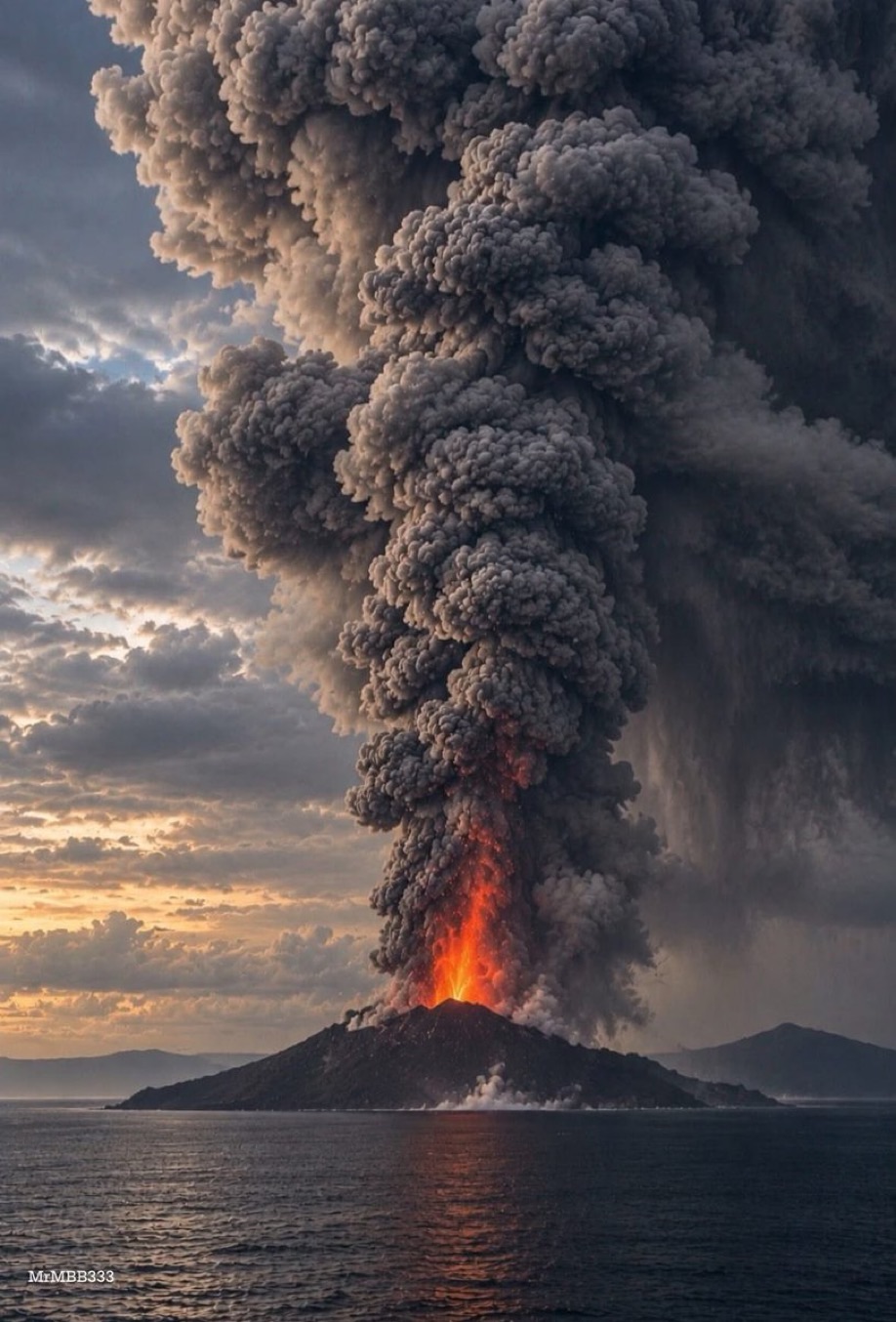
Indonesia’s aviation network has been hit by a major disruption after volcanic ash from Mount Anak Krakatau forced several airports to suspend operations, leaving passengers facing widespread flight cancellations, delays and uncertainty.
The volcano, located in the Sunda Strait between the islands of Java and Sumatra, began erupting late on Friday. Ash from the eruption subsequently spread across parts of western Indonesia, including Jakarta and surrounding areas, prompting authorities to close airports because of concerns over aviation safety.
Indonesia’s Transport Ministry said the disruption had affected about 2,300 flights and more than 270,000 passengers by 9 a.m. local time on Monday. The figure includes flights that were cancelled, delayed or diverted as airlines adjusted their operations to the changing ash conditions.
Jakarta’s Soekarno-Hatta International Airport, the country’s principal international gateway, was among the facilities affected. Airport authorities extended its operational suspension until 6 p.m. local time on Monday as officials monitored the movement of volcanic ash in the atmosphere.
Transport Minister Dudy Purwagandhi said the timing of the reopening could not be determined with certainty because weather conditions remained dynamic.
The Indonesian government has been monitoring volcanic ash concentrations and their potential effect on flight paths. The country’s meteorological agency reported ash at elevations of up to 15,000 feet and, in some areas, as high as 50,000 feet.
Volcanic ash presents a serious hazard to aircraft because it can enter engines and affect aircraft systems. Airlines therefore routinely suspend or reroute flights when ash clouds threaten established flight paths.
The eruption has also affected daily life beyond airports. Authorities have advised residents in affected areas to wear masks outdoors to reduce exposure to volcanic ash. Schools in Jakarta and Lampung have also moved classes online as officials respond to concerns over air quality and public health.
The eruption has remained unpredictable. Indonesia’s volcano monitoring agency warned that the possibility of further eruptions remained high.
Anak Krakatau, meaning “Child of Krakatau”, emerged from the area of the former Krakatoa volcano following the catastrophic 1883 eruption. That disaster caused enormous tsunamis and killed more than 36,000 people, making Krakatoa one of the most infamous volcanic events in modern history.
The present eruption has not prompted a mass evacuation, but authorities continue to monitor the volcano and ash movement closely.
Indonesia lies along the Pacific Ring of Fire, a region known for frequent earthquakes and volcanic activity.
For travellers, the immediate priority remains the restoration of safe flight operations. Airlines and airports are continuing to adjust schedules as weather conditions and ash concentrations change.
Authorities have also prepared alternative airports in cities including Semarang and Surabaya to help maintain air connectivity while affected facilities remain unavailable.
With further volcanic activity still possible, Indonesian officials have warned passengers and airlines to expect continued changes to flight schedules until conditions improve.


 Oluwatosin Haruna
