

 Trendsmill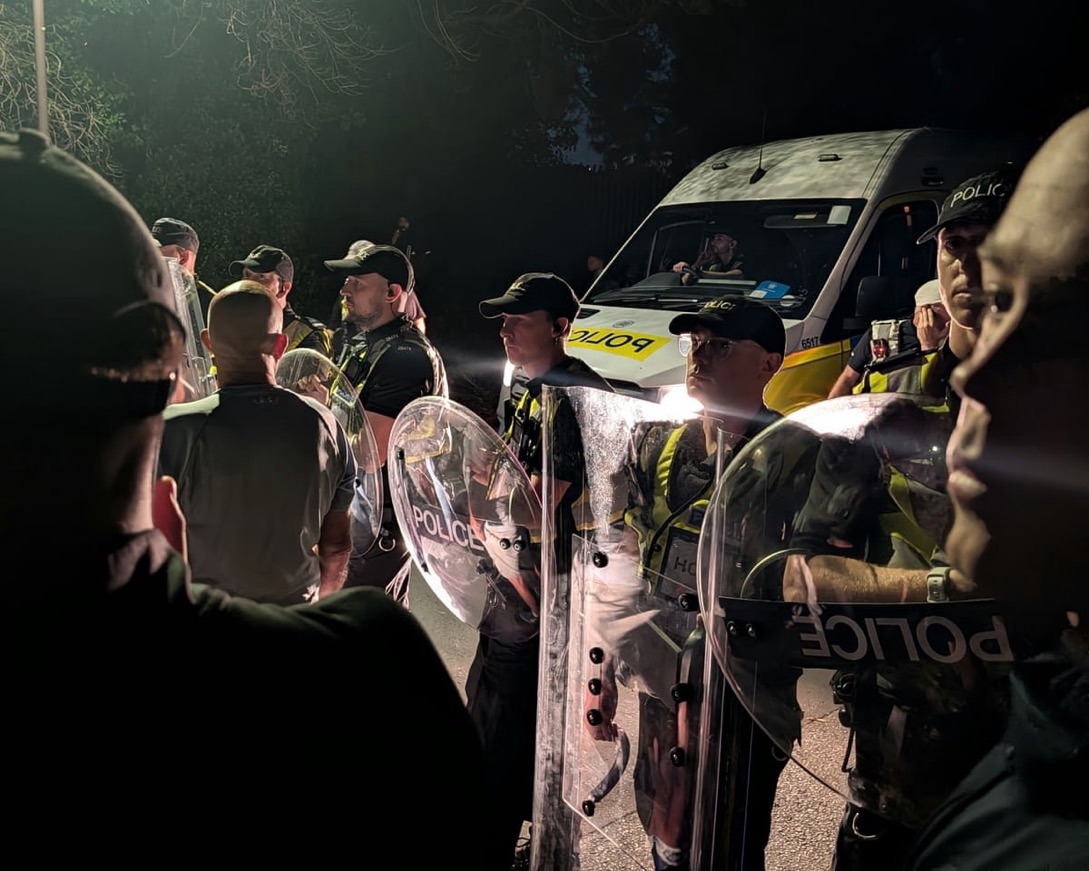
Hundreds of protesters gathered in Portsmouth after a small boat carrying about 140 asylum seekers reached the south coast of England, prompting a major police operation and a tense confrontation near the waterfront.
The group was brought ashore on Sunday after the vessel was intercepted in waters off Hampshire. The arrival marked an unusual development for Portsmouth, where such a large group of asylum seekers had not previously been brought ashore in this way.
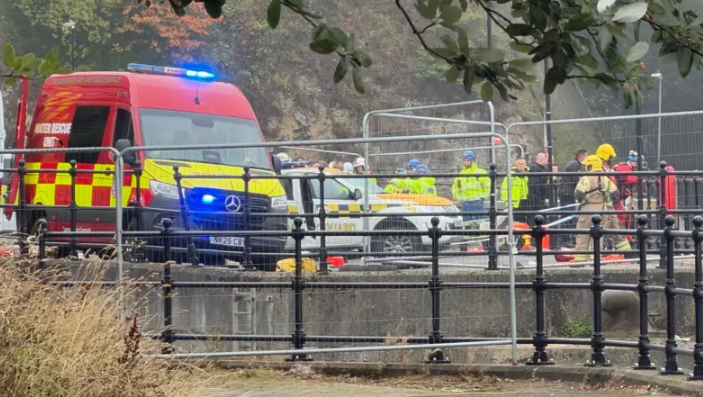
The Maritime and Coastguard Agency said it responded after being alerted to a small boat heading towards the Hampshire coast. Lifeboats, a coastguard helicopter, an aircraft and rescue teams were sent to the area, while Border Force, Border Security Command, Hampshire Police and ambulance services also attended.
The people on board were subsequently brought ashore and were expected to undergo routine processing at the Manston facility in Kent.
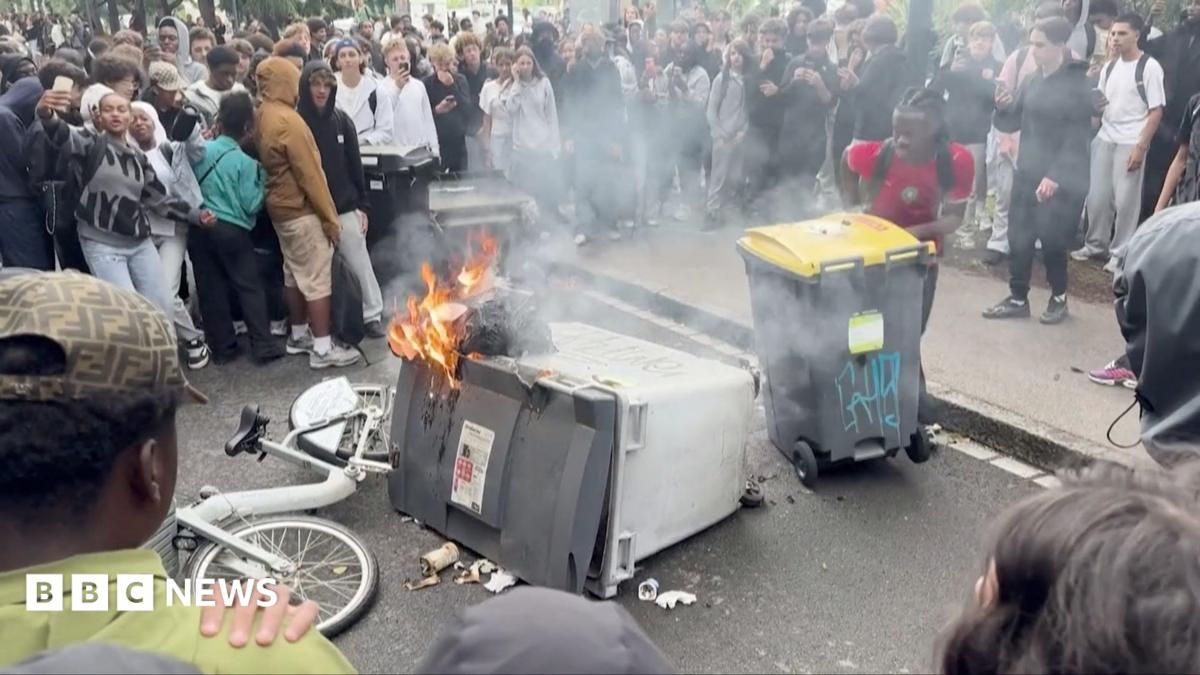
The arrival was followed by a demonstration involving hundreds of people. Some protesters wore black clothing and face coverings, while roads around the Eastney area were blocked.
The protest came a day after a separate anti-migration demonstration in Dover, where protesters disrupted traffic around the country’s main ferry port.
In Portsmouth, demonstrators attempted to prevent coaches from transporting the newly arrived asylum seekers away from the area.
Videos circulated online showing protesters gathering around the roads near the location where the group had been brought ashore.
Police officers formed lines to control the crowd, while Hampshire Police later imposed a dispersal order and urged members of the public to avoid the area.
The UK government condemned what it described as intimidating and disorderly behaviour while stressing that peaceful protest remained protected.
A government spokesperson said the right to protest was fundamental to democracy but should not cross into disorder. The government also thanked emergency services involved in managing the situation.
The incident has intensified debate over Britain’s small-boat migration policy.
The Home Office said crossings had fallen by more than 40% this year compared with the same period in 2025. It also said more than 48,000 crossing attempts had been prevented and more than 1,100 boats and engines seized since the current government came to power.
The government has also announced increased cooperation with France, including a payment-by-results arrangement intended to increase patrols on French beaches.
Despite those measures, smugglers have continued to use different routes across the English Channel.
The Portsmouth arrival was notable because the vessel had travelled towards the Hampshire coast rather than the more familiar landing areas around Kent.
Authorities had deployed significant resources because of concerns about the safety of the overcrowded boat.
The coastguard said the vessel was monitored during its journey, with rescue services eventually bringing those on board safely to shore.
The protest has raised separate concerns about public order and the policing of demonstrations.
Politicians from different parties have criticised disruptions associated with anti-migration protests in both Portsmouth and Dover.
The events have also raised questions about whether police forces were adequately prepared for demonstrations that appeared to develop rapidly following the boat’s arrival.
For the asylum seekers involved, the next stage is the immigration processing procedure in the UK.
For Portsmouth, meanwhile, the incident has introduced a new dimension to the country’s continuing debate over irregular migration.
The events demonstrate how the arrival of small boats has become not only a border-control issue but also a source of political and social tension in communities along Britain’s coastline.
Authorities now face the challenge of maintaining public order while continuing to process asylum claims and manage future Channel arrivals.

 Oluwatosin Haruna
