 Trendsmill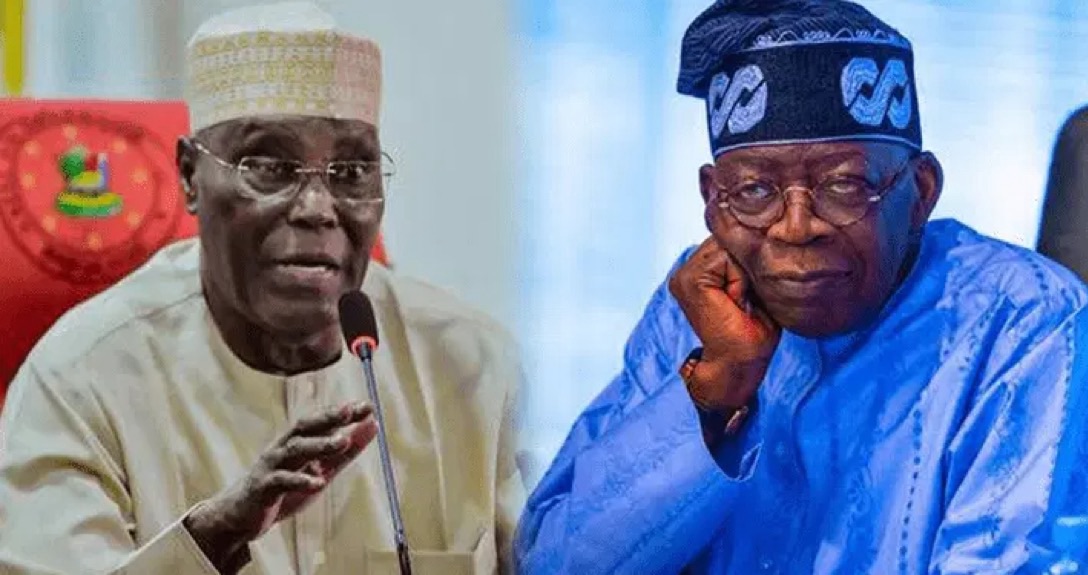
Former Vice President Atiku Abubakar’s proposal to subsidise fuel production has triggered a fresh political debate over Nigeria’s petroleum policy ahead of the 2027 presidential election.
Atiku has proposed subsidising fuel production as part of his economic approach if elected president in 2027.
However, the proposal has been criticised by Tunde Rahman, Senior Special Assistant to President Bola Ahmed Tinubu on Media and Special Duties.
In a commentary published by THISDAY, Rahman described Atiku’s subsidy push as an indication of desperation ahead of the 2027 election and questioned the economic implications of returning to a subsidy-driven system.
Rahman argued that changing the description from fuel subsidy to production subsidy would not change the underlying principle. According to him, government would still be using public funds to reduce the cost of fuel.
President Tinubu removed the petrol subsidy in May 2023, shortly after assuming office. The policy immediately triggered a sharp increase in petrol prices and has remained one of the most contentious aspects of the administration’s economic reforms.
Supporters of subsidy removal have argued that the policy was necessary to reduce pressure on government finances and redirect public resources towards other priorities.
Rahman defended the decision, arguing that Nigeria had spent substantial resources maintaining the former subsidy regime.
He also pointed to developments in the downstream petroleum sector, including the emergence of the Dangote Refinery and the rehabilitation of government-owned refineries, as evidence of changes taking place following the shift away from the previous subsidy model.
The Tinubu aide further argued that government support should be targeted at vulnerable Nigerians rather than applied through a blanket subsidy on fuel.
He cited initiatives such as compressed natural gas conversion, conditional cash transfers and support for domestic production as alternative measures aimed at cushioning the effects of economic reforms.
Atiku’s proposal has nevertheless brought the subsidy question back into the centre of Nigeria’s political conversation.
With the 2027 election approaching, fuel prices, economic hardship and the cost of living are expected to remain major issues in the contest between political parties and presidential candidates.
The disagreement over subsidy reflects two competing approaches to Nigeria’s economic management: maintaining the reforms introduced under Tinubu or adopting a different approach to reducing fuel costs for consumers.
For Atiku, the proposal provides an opportunity to present an alternative economic direction ahead of the 2027 election. For the Tinubu camp, however, returning to subsidy represents a reversal of reforms it argues are necessary for Nigeria’s long-term economic stability.