 Trendsmill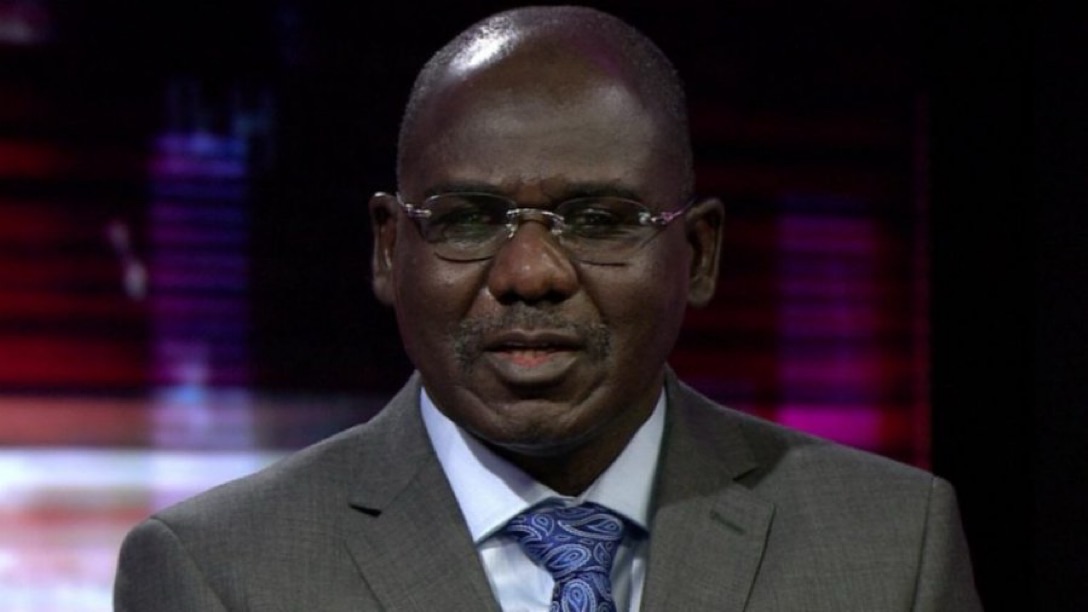
Former Chief of Army Staff, Tukur Buratai, has called for a coordinated national approach to Nigeria’s security challenges, saying the military cannot carry the burden of fighting terrorism alone.
Buratai made the statement at the public presentation of a book documenting his leadership of the Nigerian Army.
He said Nigeria’s experience with Boko Haram showed that military operations must be supported by government institutions, communities and other stakeholders.
According to Buratai, security requires cooperation across the different arms and levels of government.
He also identified traditional rulers, religious leaders and multinational partners as important participants in the wider security effort.
The former Army chief said his tenure began in 2015 under severe pressure, with Boko Haram controlling significant territory and communities displaced by the insurgency.
He said the Army responded through operational measures and reforms designed to improve its ability to deal with changing threats.
But Buratai said the lessons from the period showed that battlefield operations alone were insufficient.
“The fight against terrorism and insurgency cannot be won by force alone,” he said.
His remarks came during the presentation of Military Transformational Leadership in Action: The Buratai Era, authored by M.S. Abubakar.
The author said the book examines the reforms and operational experiences of the Nigerian Army between 2015 and 2021.
He said his research covered military welfare, education, institutional development and the combination of kinetic and non-kinetic approaches.
The publication also examines civil-military relations during the counter-insurgency campaign.
The book’s presentation provided an opportunity for senior military figures to reflect on the Army’s experience during one of the most demanding periods of Nigeria’s recent security history.
Defence Minister Christopher Musa praised Buratai’s leadership and said the former Army chief contributed to the development of officers who later became senior commanders.
The discussion comes against the backdrop of continuing security threats that extend beyond conventional insurgency.
Nigeria continues to confront different forms of violent crime and armed threats, creating demands for stronger coordination between military and civilian security institutions.
Buratai’s remarks focused attention on the need to view national security as a collective responsibility involving institutions beyond the armed forces.