
 Trendsmill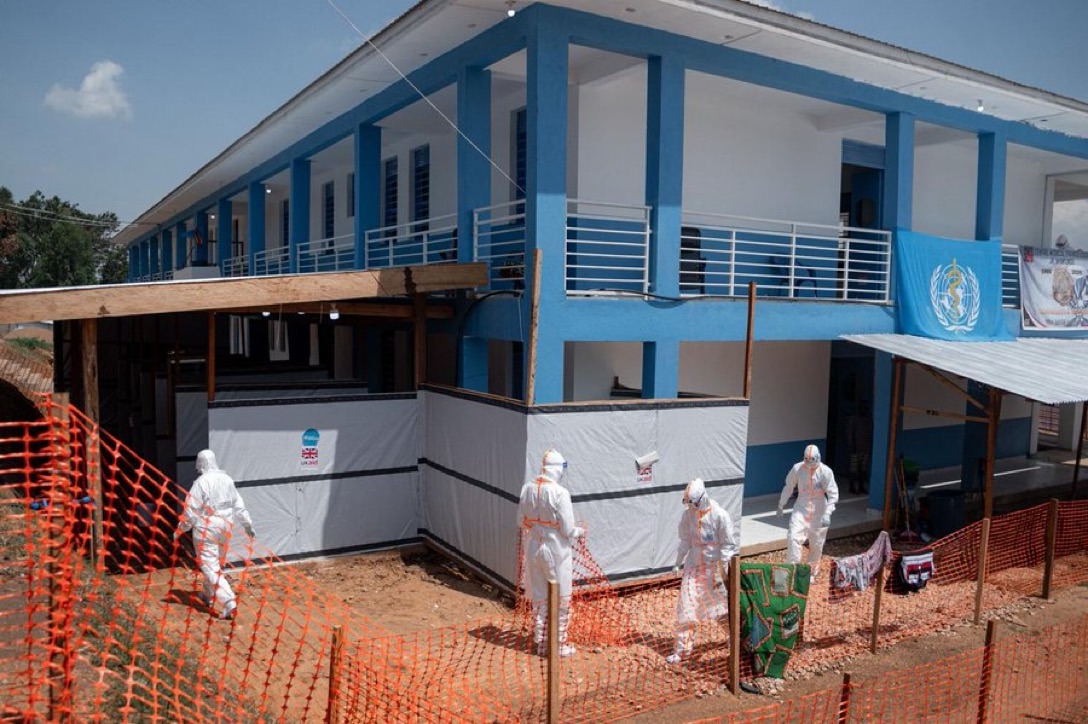
The Ebola outbreak in the Democratic Republic of Congo has killed 3,007 people among 6,186 confirmed cases, according to the latest figures from the country’s Ministry of Health.
The outbreak has spread to six provinces, with health authorities continuing efforts to contain transmission and identify people who may have been exposed to the virus.
Two additional health zones in North Kivu were affected last week, according to the report, adding to concerns over the continued geographical spread of the disease.
The current outbreak was declared a global health emergency in mid-May as the number of infections increased. The situation has been particularly challenging in eastern Congo, where insecurity has complicated efforts by health workers to reach affected communities and carry out surveillance and contact tracing.
Health workers have also faced attacks and difficult working conditions, while inadequate health infrastructure has created additional challenges for the response.
Population movement is another concern for health authorities, particularly the movement of miners between communities. Such movements can make it more difficult to identify contacts and monitor people who may have been exposed to the virus.
The current outbreak involves the Bundibugyo species of Ebola virus. Unlike the more common Zaire species, there is currently no approved vaccine or specific treatment for Bundibugyo Ebola.
Authorities have, however, started distributing the Ervebo vaccine to frontline health workers. The vaccine has previously been used during Ebola outbreaks involving the Zaire species.
The World Health Organization has warned that the Congo outbreak could become the deadliest Ebola outbreak on record if the spread continues. The previous record was set during the West African Ebola outbreak between 2014 and 2016, which killed about 11,000 people.
Health officials are also concerned that the official figures may not fully reflect the scale of the outbreak.
The Africa Centers for Disease Control and Prevention has warned that the actual number of infections could be considerably higher because surveillance and contact-tracing efforts remain limited in some affected areas.
The United States Centers for Disease Control and Prevention has also raised concerns about the pace of the response, saying containment efforts remain below established targets.
The spread of Ebola has also raised concerns around schools after their reopening during the outbreak. Health authorities continue to monitor communities and health facilities for new infections while response teams work to strengthen surveillance and other containment measures.
With thousands of confirmed infections and deaths already recorded, health authorities continue to face the challenge of limiting transmission across affected provinces while maintaining access to healthcare and protecting frontline workers.