
 Trendsmill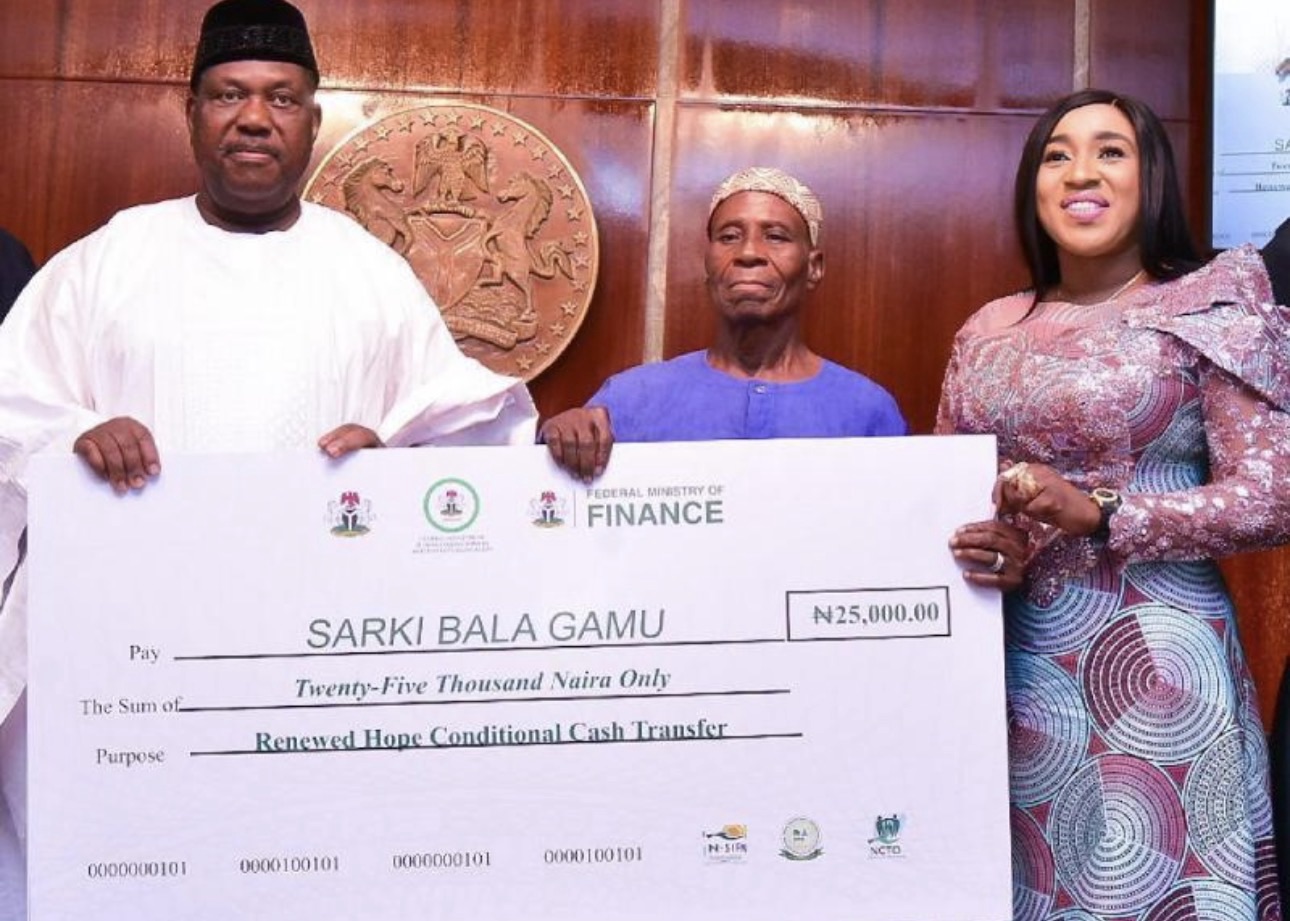
ABUJA — The Federal Government has disclosed that more than ₦600 billion has been spent on cash transfers to vulnerable Nigerians over the past three years, with the intervention reaching slightly more than 10 million households.
The Minister of Humanitarian Affairs and Poverty Reduction, Bernard Doro, announced the figures during a television interview as the government steps up efforts to reform its social-protection system.

Doro said the cash-transfer programme was designed to provide support to vulnerable households during a period of economic hardship.
The announcement coincides with the launch of a new $1 billion Renewed Hope Social Protection Programme.
The programme is intended to create a more coordinated system for identifying vulnerable Nigerians, delivering assistance and monitoring beneficiaries.
One of its key components, HOPE-SP, targets approximately 7.6 million vulnerable households.
Eligible beneficiaries are expected to receive a one-off ₦40,000 digital shock-response payment.
The government says recipients will be identified through the National Social Register and validated using their NINs.
Officials say the new system will also allow the government to track households over time and determine whether interventions are helping them move out of poverty.
Doro said the objective was to ensure government support produces measurable improvements rather than simply offering temporary relief.
The government has also defended its wider economic policies, arguing that reforms are necessary to rebuild the economy and create conditions for sustainable poverty reduction.
The latest figures provide an indication of the scale of Nigeria’s social-protection programme as authorities attempt to respond to the economic pressures facing millions of households.
Editorial note: The minister’s wording has been reported as “slightly over 10 million households”; some reports have described the figure as slightly over nine million or “about 10 million.”