
 Trendsmill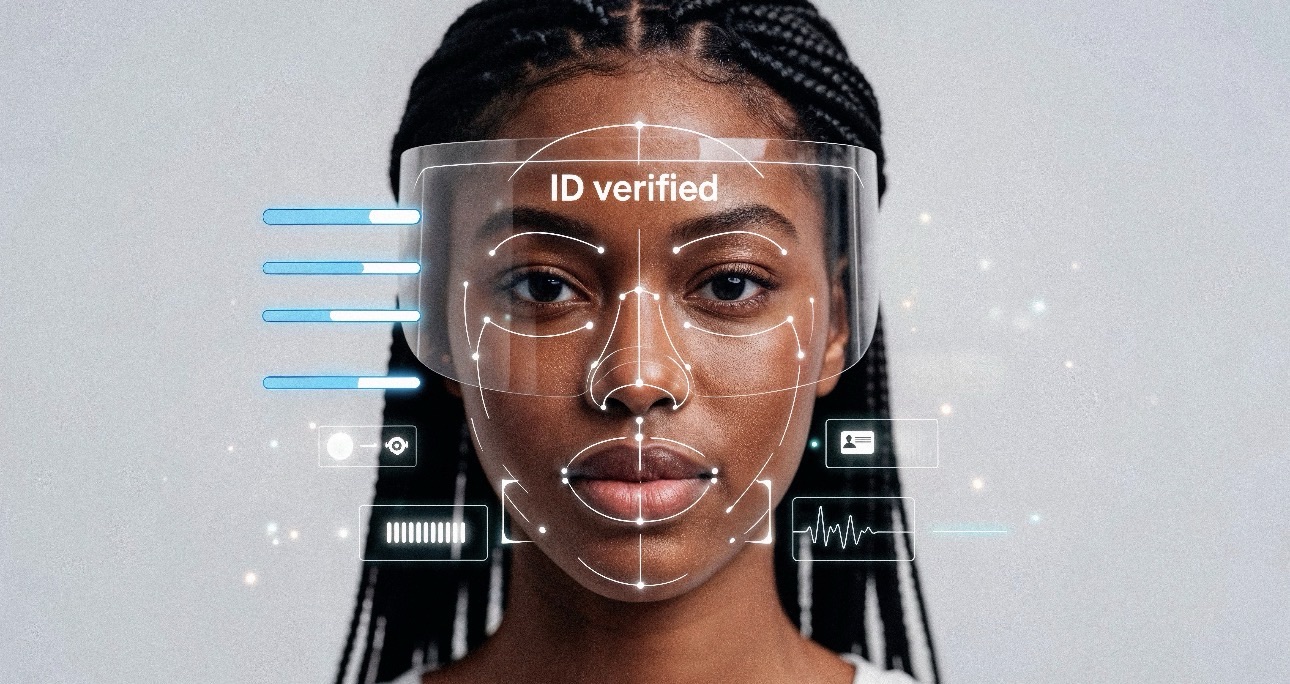
The Joint Admissions and Matriculation Board is introducing facial biometric verification as part of a major upgrade to the identity authentication system used for the Unified Tertiary Matriculation Examination.
JAMB said the new technology is intended to strengthen examination security, curb impersonation and reduce cases of examination malpractice.
The development was announced in the board’s weekly bulletin released on Monday.
JAMB said the new arrangement would involve live facial verification before candidates are permitted to sit the UTME.
The board will partner with the National Identity Management Commission to verify the identities of candidates.
According to JAMB, candidates will undergo facial verification through an application. The result will be sent to NIMC, which will then return a code to JAMB either confirming or rejecting the candidate’s identity claim.
The board said the transition would initially involve both facial and fingerprint verification.
Candidates will continue to use the existing 10-fingerprint biometric format while the new facial verification system is introduced.
JAMB said the fingerprint system would eventually be phased out over the next two to three years.
The board also disclosed that facial verification would eventually replace the use of One-Time Passwords.
Preparations for implementation are already underway at accredited Computer-Based Test centres.
JAMB said it was putting measures in place to ensure that the centres are equipped with appropriate CCTV cameras.
The board also said personnel would be adequately trained to support the implementation of the new technology.
JAMB explained that facial biometric verification uses an individual’s unique facial characteristics to establish identity.
The technology is different from fingerprint scanning because it is completely touchless.
Candidates will only need to look into a camera from a short distance while the system performs the identity check.
JAMB said the process can be completed in less than a second.
The board also said the technology does not require specialised biometric hardware because it can operate using standard user-facing cameras found on smartphones, tablets and computers.
Another issue JAMB expects the technology to address is the difficulty sometimes encountered when scanning fingerprints.
The board said fingerprint verification can be affected when candidates have damaged, wet, dirty, greasy or worn fingers.
According to JAMB, such situations have previously resulted in system failures, frustration and anxiety among candidates.
In some instances, the board said, the problems had contributed to anger and violence.
JAMB expects facial verification to reduce cases in which candidates are left without successful verification and subsequently require examination rescheduling.
The board also said the technology would strengthen authentication and make it more difficult for individuals to impersonate registered candidates.
Beyond examination security, JAMB said the touchless nature of facial verification could help reduce the spread of microbes in public examination environments.